The Bright Side

Science — Discoveries

Scientific advances that inspire — new discoveries, research milestones, space missions, nature insights, and emerging technologies

15 stories

Davar8/17/2026

New study explains why men and women walk differently

A new study by the Department of Anatomy and Anthropology at Tel Aviv University compared the pelvic bones of Neanderthals with those of modern humans | Discovery: the male pelvis evolved during evolution into a unique biomechanical mechanism whose function is to absorb shocks, store energy, and make walking over long distances more efficient

ScienceDaily (all)5/8/2026

Scientists make stunning discovery that could change our understanding of the Universe

Scientists may have uncovered a surprising secret behind why life exists at all. A new study suggests that the Universe’s fundamental constants — the deep physical rules that govern everything from atoms to stars — appear to sit within an incredibly narrow “sweet spot” that allows liquids to flow properly inside living cells. Even tiny shifts in these constants could make blood too thick, water too sticky, or cellular motion impossible, potentially wiping out life as we know it.

ScienceDaily (all)5/8/2026

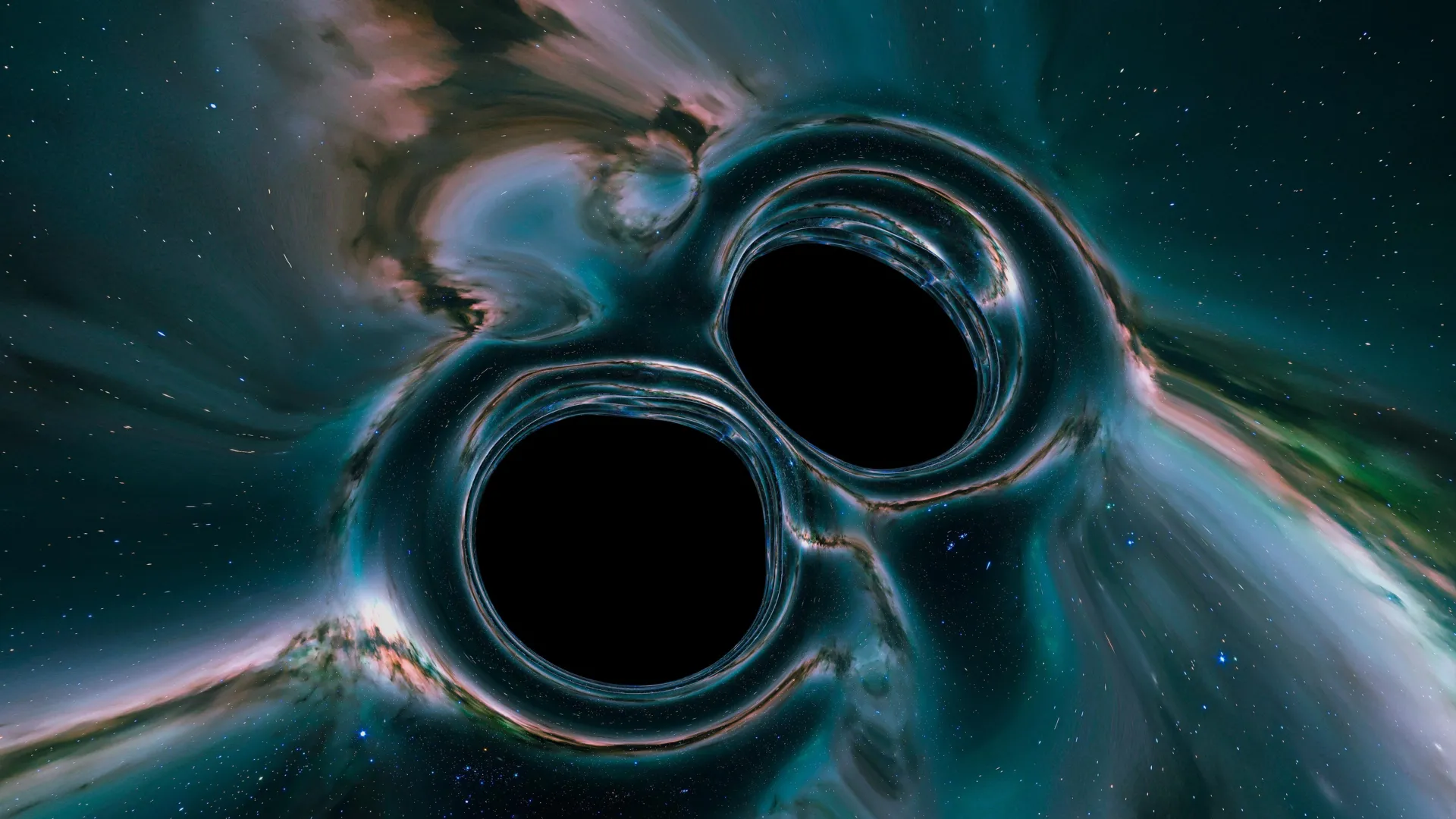
The Universe’s biggest black holes may be forged in violent mergers

The Universe’s biggest black holes may not be born giants after all. Scientists analyzing gravitational-wave signals from dozens of black hole collisions found evidence that the heaviest black holes are likely “cosmic recyclers” — formed through repeated smashups inside incredibly crowded star clusters. These violent chain reactions appear to create a distinct class of rapidly spinning black holes that stand apart from ordinary ones formed by dying stars.

Ynet Health4/26/2026

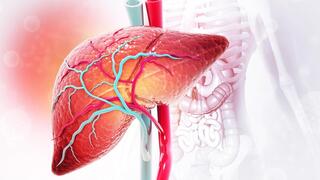
New Israeli research changes what we knew about our liver

A new study led by scientists from the Weizmann Institute of Science, in collaboration with the Sheba Medical Center and Mayo Clinic, presents for the first time a precise genetic atlas of the healthy human liver—and reveals that the division of functions within it is much deeper than previously known. Prof. Shlomo Itzkowitz of the research team said: "Thousands of genes were found to be active at different levels in liver cells in various locations, indicating a much more precise and complex internal organization than we thought."

Good News Network4/5/2026

Wooden Loom Preserved By Fire 3,500 Years Ago Now Reveals Bronze Age Textile Revolution

A wooden loom that survived a devastating fire 3,500 years ago has revealed key aspects of the Bronze Age textile revolution. Most of the weights as well as components made from wood and plant fibers remained remarkably intact despite the blaze that burned down a settlement near Villena in present day Spain. Scientists explained that […] The post Wooden Loom Preserved By Fire 3,500 Years Ago Now Reveals Bronze Age Textile Revolution appeared first on Good News Network.

Good News Network4/4/2026

Native Americans Were Making Dice and Gaming Thousands of Years Before Anyone Else

Tribal casinos in the US may seem a more natural fit, after hearing about new research showing that Native Americans were making dice for gaming thousands of years before anyone else in the world. Evidence revealed that the earliest known dice in human history were made and used by hunter-gatherers on the western Great Plains […] The post Native Americans Were Making Dice and Gaming Thousands of Years Before Anyone Else appeared first on Good News Network.

Good News Network3/28/2026

Good News in History, March 28

116 years ago today, Henri Fabre became the first man to fly a seaplane. Called the Fabre Hydravion, it was the first craft ever to take off from water under its own power. Powered by a French-made Gnome Omega rotary engine driving a two-bladed Chauvière propeller, it successfully took off and flew for a distance […] The post Good News in History, March 28 appeared first on Good News Network.

Good News Network3/27/2026

24 New Species Including a New Family of Amphipods Identified in Deep Sea Survey

A recent international survey of a deep sea zone near Mexico turned up 24 species of shrimp-like animals called amphipods, including a whole new taxonomic family, called Mirabestiidae. The survey took place in the Clarion-Clipperton Zone (CCZ) between Hawaii and Mexico, where a fractious seabed can range in depth from 10,000 to 20,000 feet. Over […] The post 24 New Species Including a New Family of Amphipods Identified in Deep Sea Survey appeared first on Good News Network.