The Bright Side
arrow_backHome
Why the grocery store of the future could have more mini cans and personal packs
Culture & Education
Fast Company Co.DesignEN
October 19, 2026

Why the grocery store of the future could have more mini cans and personal packs

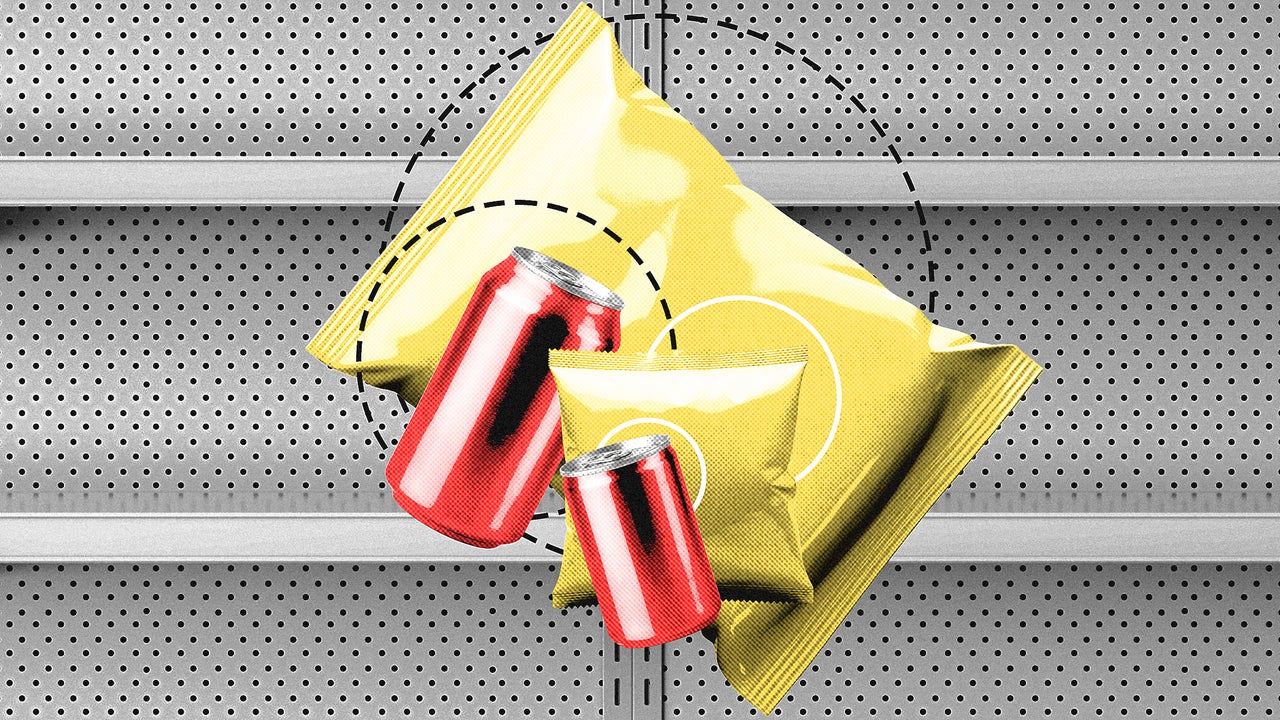
The future of food packaging is petit. While warehouse stores offering food and household items in bulk will always have a draw among consumers looking for volume discounts, the grocery store of 2035 could look different from today’s, with tinier packaging on its shelves, according to a new report. Unlike stealth shrinkflation, which packs less product into the same sized package for the same price, the new era of smaller portions is part of the selling point. Traditional packaging strategies for consumer packaged goods (CPG) prioritize things like upselling, pantry loading, and increased consumption, but those strategies are becoming less relevant, warns the report, from the consumer intelligence company NielsenIQ. Instead, manufacturers, retailers, and designers must rethink their packaging formats to meet the needs of multiple shifting consumer trends at once. Household sizes keep going down, living costs keep going up, and the growing adoption of GLP-1s means more consumers are buying less. In other words, packaging design for high consumption and big families with deep, full pantries is packaging design for a world that no longer exists. Instead, companies need to think smaller. “If the American household is shrinking, the way it shops is shrinking right along with it,” the report says. Already, CPG giants like PepsiCo have begun testing smaller units. Mike Del Pozzo, president of the company’s U.S. beverages division, said in June the company was introducing mini cans at a low price point and considering “new price points and pack sizes” for other beverages too. And last year Campbell’s rolled out 2.5-ounce single packs of Goldfish that retail for less than $2. The report says smaller packaging sizes are showing up especially across soft drinks, ready-to-eat cereal, and salty snacks, but building in other categories too. Average household size has fallen from 2.6 people in 2000 to 2.5 people today due to factors like economic pressure and delayed family formation, the report says. And 21% of households now have at least one GLP-1 user. At the same time, food-at-home prices have risen 2.7% year over year as of June. That means things like smaller packs, trial sizes, mini cans, and portioned servings are appealing to a new generation of shoppers. The unit price might be higher than buying in bulk, but smaller sizing lowers the cost at checkout for inflation-pressed consumers. “Value traditionally sits at the intersection of unit price and product attributes that are important to the shopper,” the report says. “Smaller packages can create value in a different way by lowering the upfront cost, improving storage of the items, reducing the risk of waste, and better matching the amount a shopper needs based on what they know they will fully consume.” The family Costco run is giving way to a new way of grocery shopping that’s about buying fewer things at once. The report notes that fill-in shopping makes up most grocery trips, and changing consumer habits mean those quick trips could over time come with even smaller portion sizes.

Read More

Curated from Fast Company Co.Design. Classified as Culture & Education by AI, which sometimes makes mistakes.

Why are you reporting this article?

Why are you reporting this article?
0/500

More like this

More ›
Bangkok Post Life10/20/2026

Pushing the limits

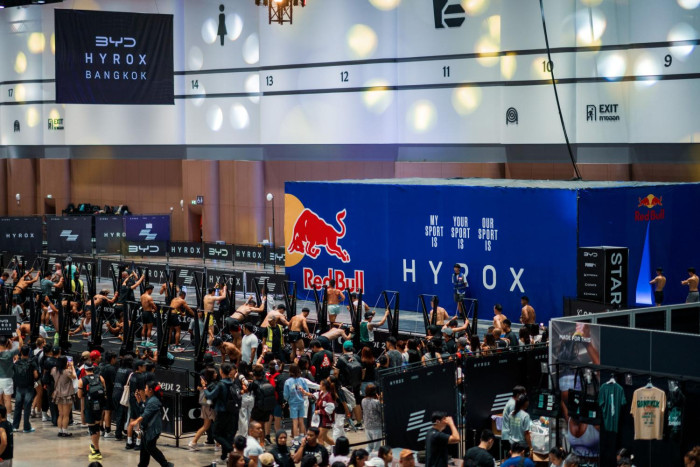
Strapping his feet to a rowing machine, Vasupol Leerungruang pulled the handles to his chest, leaned forward on the return and repeated the rhythm. In front of him was a monitor that tracked and compared his progress with others. This was part of his training to ensure he is in the best shape possible to compete in next year's Hyrox World Championships in Hong Kong.