
The Bright Side
arrow_backHome
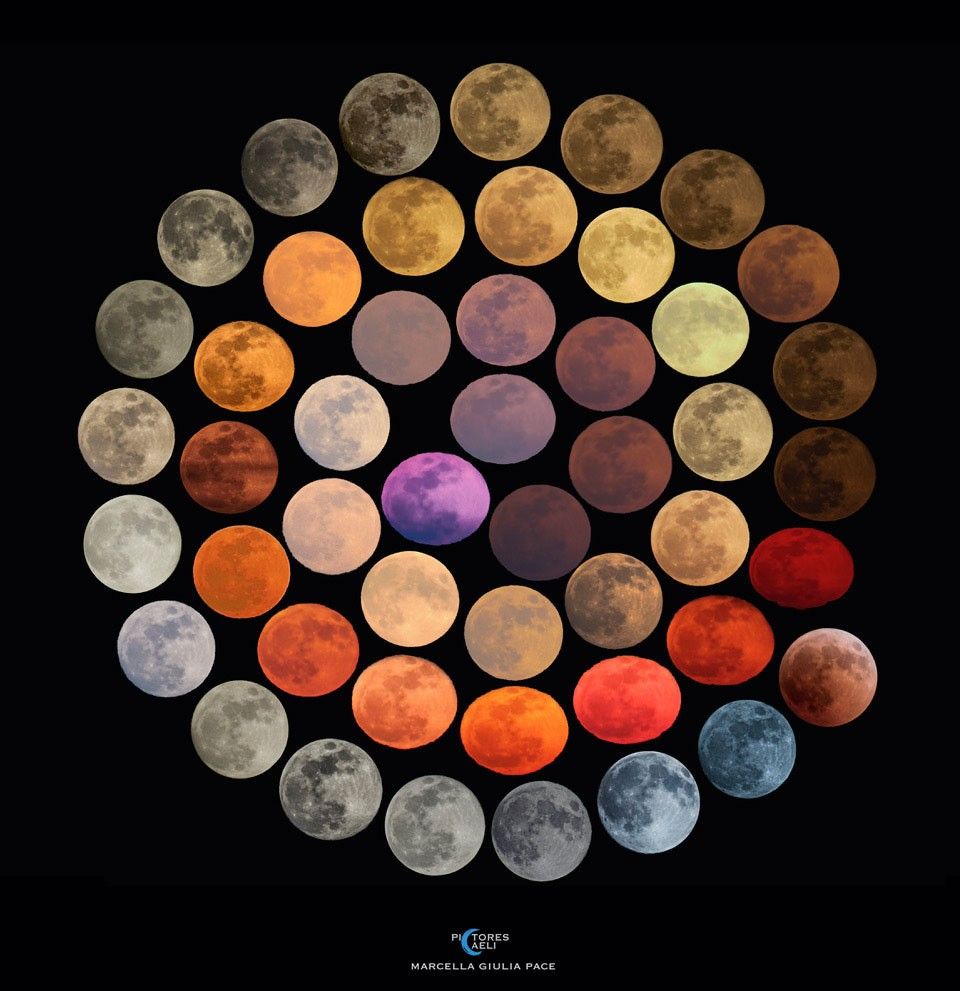
APOD: 2026 November 1 – Colors of the Moon
Science
NASA NewsEN
November 1, 2026

APOD: 2026 November 1 – Colors of the Moon

APOD Science APOD APOD: 2026 November 1 –… Today’s APOD Archive Submissions Index Search Calendar RSS Education About Discuss   APOD Astronomy Picture of the Day Discover the cosmos! Each day a different image or photograph of our fascinating universe is featured, along with a brief explanation written by a professional astronomer. Colors of the […]

Read More

Curated from NASA News. Classified as Science by AI, which sometimes makes mistakes.

Why are you reporting this article?

Why are you reporting this article?
0/500

More like this

More ›
ScienceDaily (all)11/1/2026

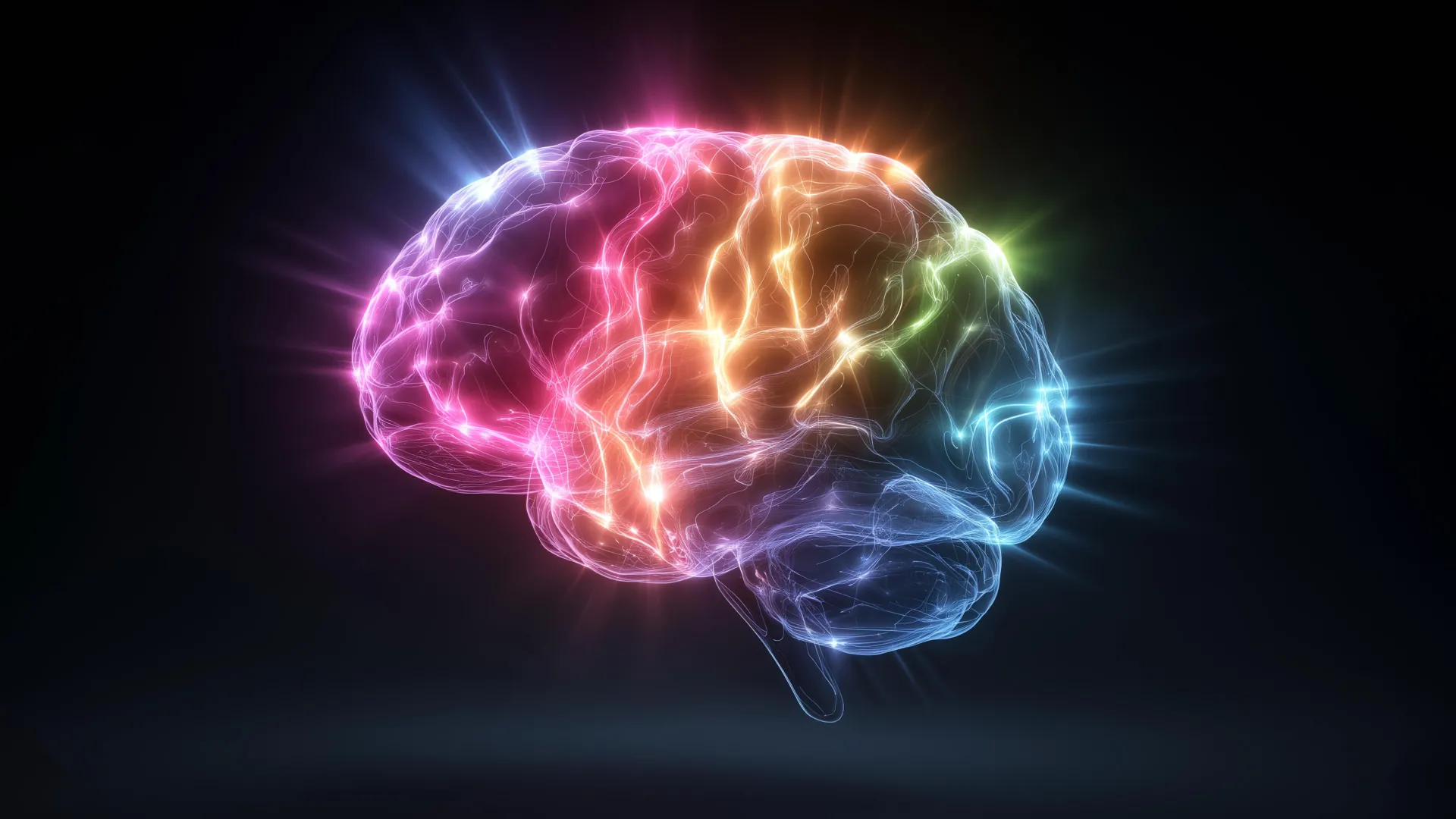
Scientists discover a surprising brain benefit of eating peanuts every day

A surprising new study suggests that eating peanuts every day could help support brain health and memory in older adults. Researchers found that consuming about two servings of unsalted, skin-roasted peanuts daily for 16 weeks improved insulin responsiveness in brain regions important for memory, a function that often weakens with age and has been linked to Alzheimer's disease.
Ynet Science & Nature11/1/2026

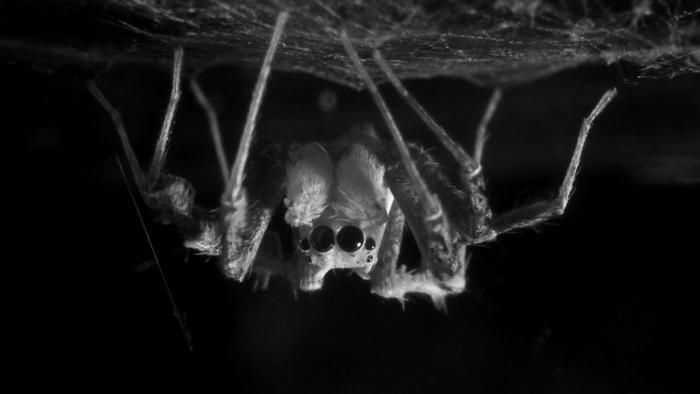
How do spiders sleep? German researchers found the answer

A study at Bonn University found that the Australian jumping spider undergoes two stages of sleep, including a stage characterized by eye movements and muscle twitches, similar to REM sleep in humans. The findings may shed light on the evolution of sleep in the animal world.

Ynet Science & Nature11/1/2026

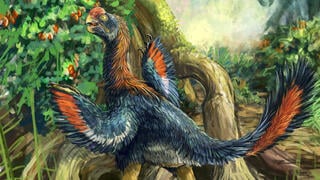
The "Hell Chicken" Who Loved to Eat Fruit

A dinosaur the size of a turkey, with a parrot-like beak and no teeth, lived about 66 million years ago and fed on fruit and soft plants. The fossils uncovered in the United States indicate unique adaptations that allowed it to chew and mash its food – broadening what is known about dinosaur diets.