

The Bright Side
arrow_backHome
Scientists use sound waves to deliver a new attack on deadly brain cancer
Science
ScienceDaily (all)EN
November 1, 2026

Scientists use sound waves to deliver a new attack on deadly brain cancer

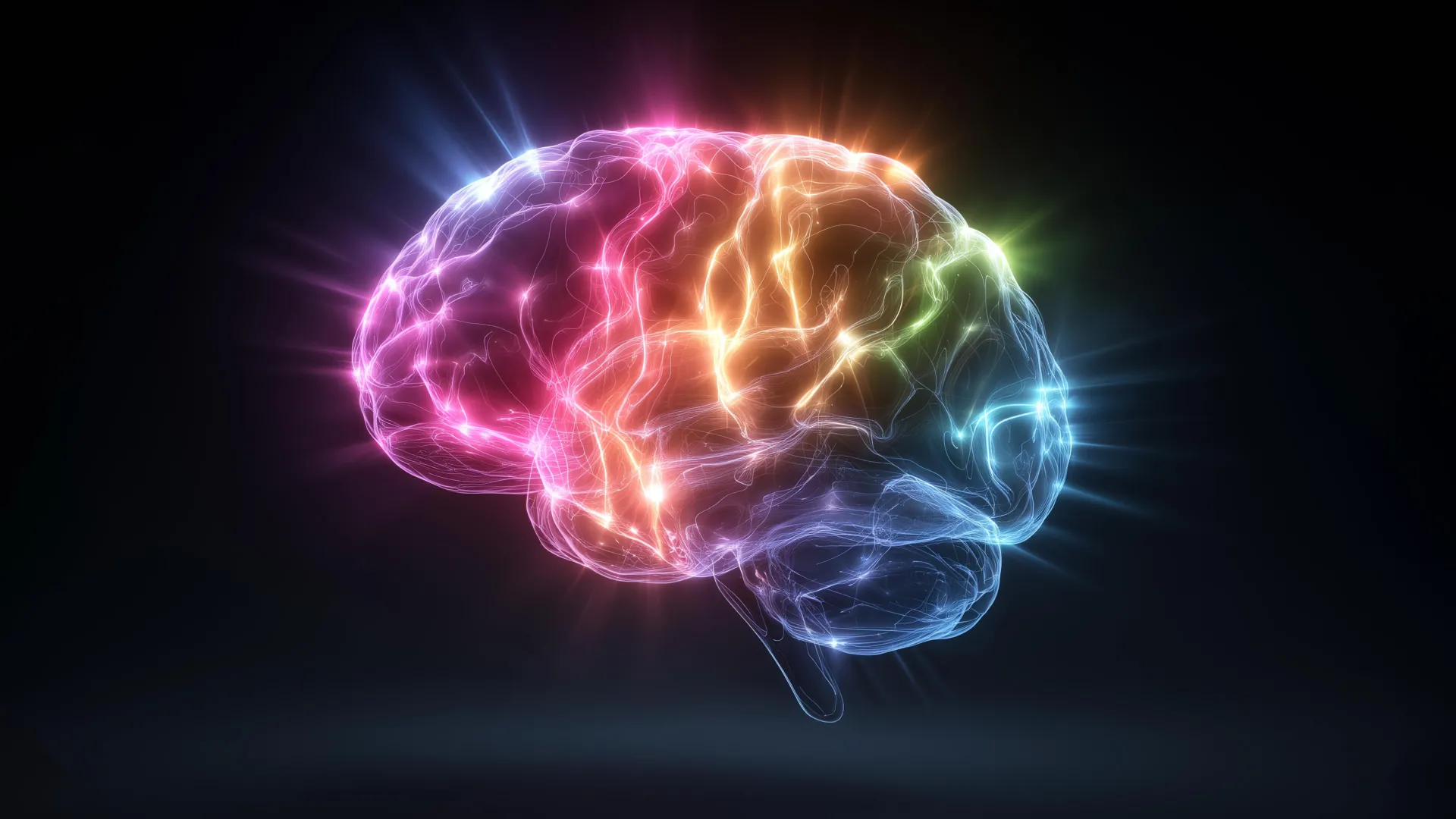
Scientists at the University of Virginia have developed a promising new strategy to fight glioblastoma, one of the deadliest and most difficult-to-treat forms of brain cancer. Their experimental approach combines focused ultrasound, tiny nanoparticles, and genetic molecules called microRNAs to attack multiple cancer-driving genes simultaneously.

Read More

Curated from ScienceDaily (all). Classified as Science by AI, which sometimes makes mistakes.

Why are you reporting this article?

Why are you reporting this article?
0/500

More like this

More ›
ScienceDaily (all)11/1/2026

Scientists discover a surprising brain benefit of eating peanuts every day

A surprising new study suggests that eating peanuts every day could help support brain health and memory in older adults. Researchers found that consuming about two servings of unsalted, skin-roasted peanuts daily for 16 weeks improved insulin responsiveness in brain regions important for memory, a function that often weakens with age and has been linked to Alzheimer's disease.
Ynet Science & Nature11/1/2026

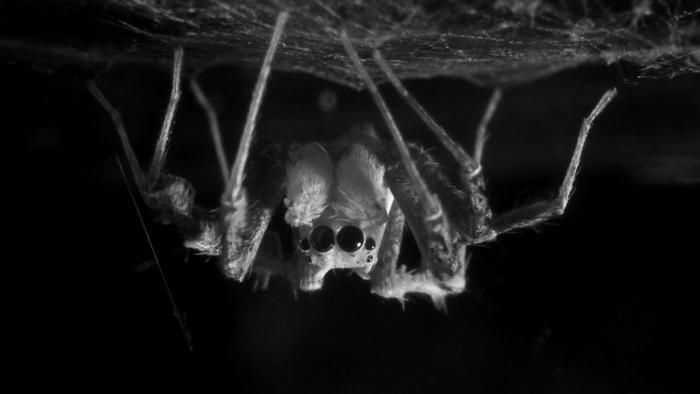
How do spiders sleep? German researchers found the answer

A study at Bonn University found that the Australian jumping spider undergoes two stages of sleep, including a stage characterized by eye movements and muscle twitches, similar to REM sleep in humans. The findings may shed light on the evolution of sleep in the animal world.

Ynet Science & Nature11/1/2026

The "Hell Chicken" Who Loved to Eat Fruit

A dinosaur the size of a turkey, with a parrot-like beak and no teeth, lived about 66 million years ago and fed on fruit and soft plants. The fossils uncovered in the United States indicate unique adaptations that allowed it to chew and mash its food – broadening what is known about dinosaur diets.