
TechCrunch10/29/2026
Andy Jassy says Prime Video is on track to earn ‘tens of billions of dollars’
The success of blockbuster hits like Project Hail Mary and Verity is only part of the story, Amazon's CEO says.
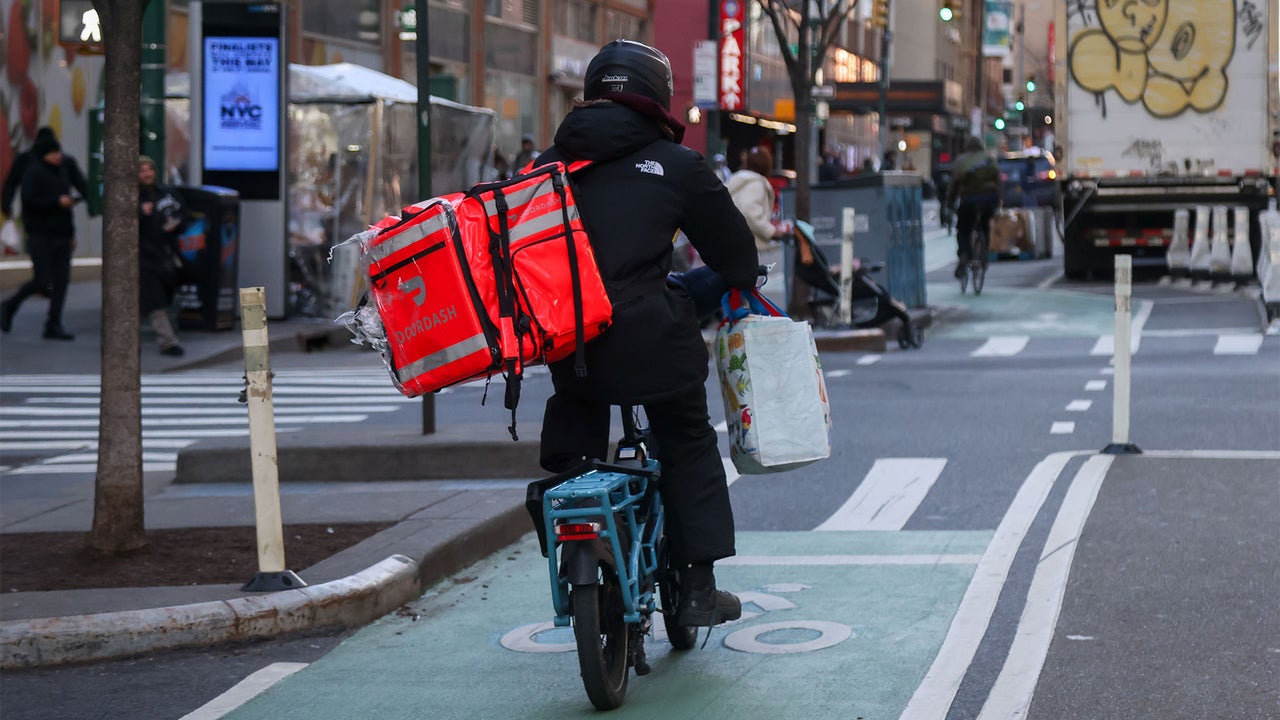
DoorDash has agreed to acquire grocery rival Instacart for $17 billion, a deal that will bolster the delivery company’s move into grocery and boost business at the largest third-party delivery platform in America. Instacart, which launched in 2012, works with some 2,200 stores covering nearly 100,000 locations. DoorDash’s acquisition of the grocery delivery giant is a huge step toward its ultimate goal of revamping local business while owning all kinds of local delivery. DoorDash is still, fundamentally, a restaurant-delivery app. Delivery from restaurants in the U.S. remains the $73 billion company’s core business; in the second quarter of this year, restaurant order value grew as much as it did in all of 2022. In 2025, the company took in $13.7 billion in revenue (while it doesn’t break out revenue by category, it’s safe to assume most came from its restaurant business). But more and more DoorDash users are tapping the app for other purchases. In Q2 2026, members of the company’s DashPass subscription program placed roughly three-quarters of the company’s grocery and retail orders in the U.S. During an August earnings call, DoorDash CEO Tony Xu declared grocery the “fastest-growing part of our marketplace business.” DoorDash’s stock briefly dropped earlier this week on the news that it was pursuing an acquisition, a signal that at least some investors have concerns about the tie-in. The company has been on a spending spree lately. In the past 18 months, DoorDash dropped $3.9 billion on European delivery service Deliveroo, $1.2 billion on restaurant reservations platform SevenRooms, $300 million on Grubhub’s campus dining business, and a comparatively small $175 million on ad platform Symbiosys. The only category missing from this acquisition list: grocery. Unlocking grocery delivery DoorDash first added a handful of grocers to its app in the summer of 2020, when pandemic restrictions kept consumers home and the digital marketplace business boomed. A year later, DoorDash considered an Instacart acquisition, reportedly weighing a price of $40 billion to $50 billion for the online grocery delivery platform, which had also skyrocked in value during the pandemic. But the deal fell apart amid concerns about President Joe Biden’s antitrust enforcer Lina Khan, who was then-chair of the Federal Trade Commission. Instead, Instacart IPO’d in 2023, years past its pandemic peak, at a valuation of $10 billion. The timing may be better now. Retail giants Walmart and Amazon dominate online grocery, representing roughly half of its sales, leaving smaller retailers—including grocery chains like Albertsons, Fred Meyer, and Safeway—vying for the rest. Those retailers partner with companies like Instacart for delivery. Earlier this year, market research firm eMarketer estimated Instacart will control roughly 65% of the third-party U.S. grocery delivery market in 2026. That market share alone might be enough to pique DoorDash’s interest, but Instacart is actually complementary to DoorDash in several ways. It’s the largest third-party grocery delivery platform by sales—in Q2 2026, Instacart sold $10.35 billion worth of goods through its network—and DoorDash claims it leads in retail order volume. (The company doesn’t break down its sales by vertical, but recently said it expected its grocery and retail unit economics to turn positive in the second half of the year.) Both companies are working on tech solutions for in-store inventory management and data collection. In September, Instacart announced a new initiative to map, in real time, store shelves, giving in-store managers a virtual, aisle-by-aisle view of their products. Days later, DoorDash launched a similar offering, marketed to consumer packaged goods brands, that uses couriers to photograph shelves while picking items for customers, mapping availability and sharing more data, like which items customers are likely to substitute when something is missing. Together, these tools would show stores and brands which products are flying off shelves, and which are languishing. Earlier this year, Xu explained more about DoorDash’s moves inside stores. “We’re also building a digital catalog of structured information for the physical world,” he said, “collecting where every banana sits or every ripe or unripe avocado.” At the time, that statement sounded more like a hedge against the inevitable creep of AI into third-party marketplaces; now it sounds a lot more like a strategy to dominate in grocery delivery just as the company has done with restaurant delivery. Outmaneuvering Uber Eats The DoorDash deal will also, to its certain delight, shut out chief rival and current Instacart partner Uber Eats, which has powered restaurant delivery inside the Instacart app since 2024. A “restaurants” tab in the Instacart app directs users to order from local restaurants via Uber Eats. An October 23 report from The Information had suggested Uber might also be a potential Instacart acquirer, but later amended the story to say that those talks had stopped. At this point, it would have been more surprising if DoorDash hadn’t make a play for Instacart. “We have improving unit economics across all of our categories,” Xu said during the second-quarter earnings call. Business is booming across restaurants and retail, in different geographies and in the company’s ad businesses, he noted, adding, “Ultimately, we’re here always seeking the next best investment. It doesn’t mean that we always make those investments. But when we see the opportunity, we’re always leaning in.”
Curated from Fast Company Technology. Classified as Business & Technology by AI, which sometimes makes mistakes.
The success of blockbuster hits like Project Hail Mary and Verity is only part of the story, Amazon's CEO says.
Amazon wants to be the king of AI cloud computing and become the first $1 trillion revenue business. But to do that it will have to continue on its capex spending spree, its CEO said Thursday.
Lynn Margulis had the audacity to challenge Darwin. And we're lucky she did. The post Her groundbreaking theory on the origin of life was rejected 15 times. Then biology proved her right. appeared first on Upworthy.

