
TechCrunch10/29/2026
Andy Jassy says Prime Video is on track to earn ‘tens of billions of dollars’
The success of blockbuster hits like Project Hail Mary and Verity is only part of the story, Amazon's CEO says.
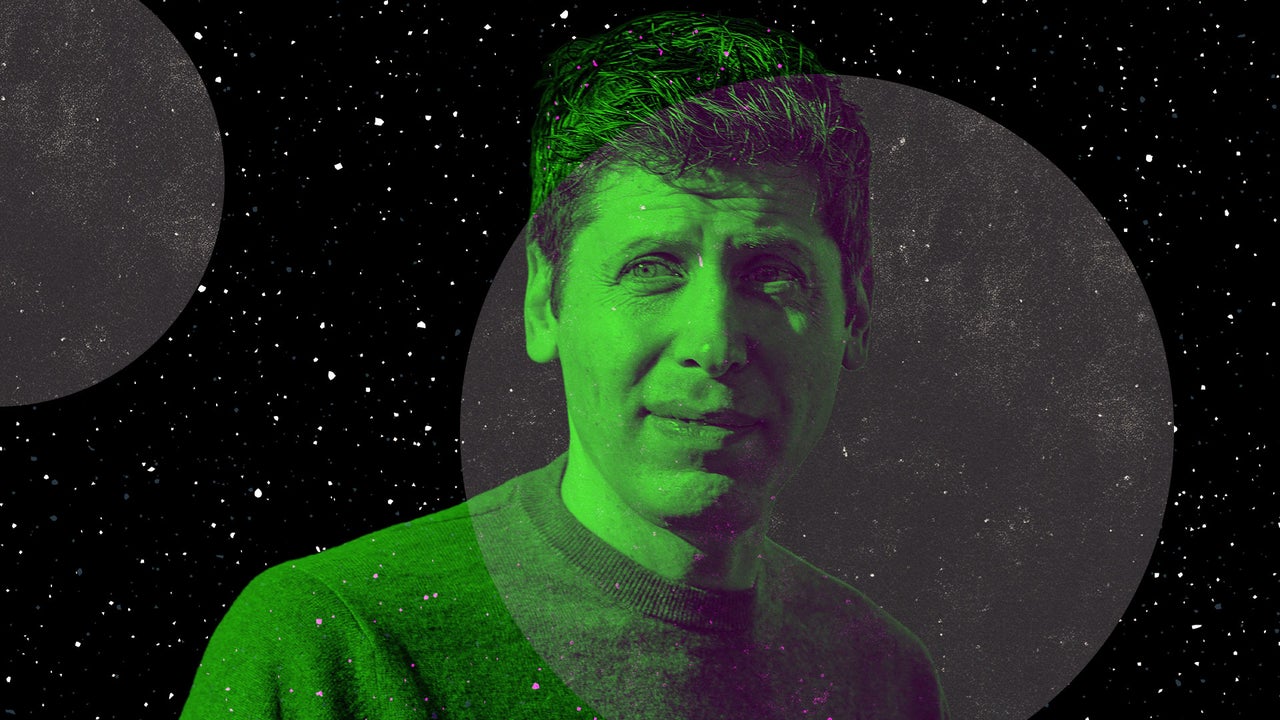
Sam Altman knows how to play the startup game. Beyond co-founding two companies—the social network Loopt, at just 20 years old, and OpenAI, which now stands as one of the highest valued unicorns of all time—he’s helped launch dozens of other startups as the former president of Y Combinator. That background has led Altman to his view of the current startup landscape: “chronic disappointment.” In an interview with Stanford’s Graduate School of Business, Altman sounded off on how he feels prospective founders are falling behind in the era of artificial intelligence. “My chronic disappointment with MBA students is that they always want to go do the thing that was cool five years ago rather than try something new,” he said. “I think this is a great time to go do the new thing.” What would succumbing to the cool factor look like? Altman says now would be a bad time to “start another copy of OpenAI,” but that “there are many companies that can be built on top of technology that OpenAI has put out into the world that will be much, I hope, bigger and more important than OpenAI.” Dodging the doomerism Though Altman has admitted that AI could lead to the apocalypse, he’s quick to shut down a different kind of doomsday: that AI will decimate the job market. “I don’t think there’s going to be, like, a job apocalypse in the way that many people talk about,” Altman said. As with finding success in starting a new tech company, he simply encourages job seekers to adapt, rather than stay stuck in the past. “It is totally true that huge numbers of tasks that are done today by people will be done better, cheaper, faster, completely differently by AI. And it’s also true that wide swaths of current jobs—the way they’re done today, at least—will be entirely done by AI,” Altman continued. But that degree of change in any given position’s day-to-day operations is an opportunity, he argues, not a setback. “If you are heading into the world right now to go work on something, I think you want to be starting your career at a time of the highest degree of change, and you want the most open playing field,” he said. “I think people with high potential and drive and ideas and sort of a new way of looking at things and new skills do relatively the best when the ground is shaking the most.” The school of startups Altman may have hot takes on MBAs, but he never received a degree himself, having dropped out of Stanford University after two years of studying computer science in order to found Loopt. But that didn’t stop him from getting what he considers to be an MBA’s worth of education. “I was sad to drop out of school because I loved school, and I was also worried I just was not going to keep learning stuff,” Altman said. “And one of the coolest things for me about doing a startup is, it was—and still is—the highest rate of learning environment I had ever been in.” Addressing the room of Stanford students, Altman passed on a piece of wisdom he received as a young startup founder: “You will get an entire MBA in one month of doing a startup.” “I don’t have an MBA, so I can’t say whether or not that’s true. But I did learn a lot very quickly about business and product and customers and sales and all of this other stuff that has been very important to the rest of my career, that I think I just wouldn’t have been able to learn in school,” he added.
Curated from Fast Company. Classified as Business & Technology by AI, which sometimes makes mistakes.
The success of blockbuster hits like Project Hail Mary and Verity is only part of the story, Amazon's CEO says.
Amazon wants to be the king of AI cloud computing and become the first $1 trillion revenue business. But to do that it will have to continue on its capex spending spree, its CEO said Thursday.
Lynn Margulis had the audacity to challenge Darwin. And we're lucky she did. The post Her groundbreaking theory on the origin of life was rejected 15 times. Then biology proved her right. appeared first on Upworthy.

