
The Bright Side
arrow_backHome
Why the government wants self-driving cars to glow cyan
Business & Technology
Fast CompanyEN
October 27, 2026

Why the government wants self-driving cars to glow cyan

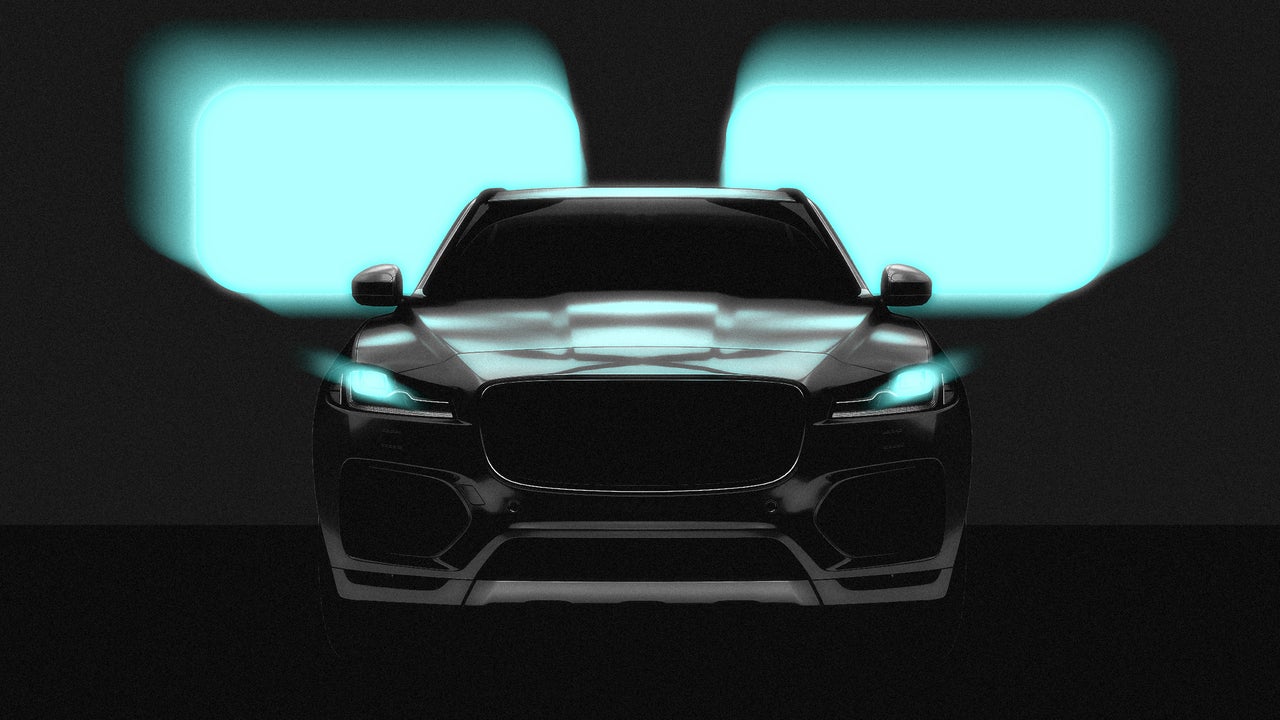
Robotaxis and other self-driving cars could soon get their own distinct cyan-colored lights to show when they’re being driven by a robot. The bright blue-green color would be standardized for automated driving system marker lamps under a new proposal for federal AV requirements. These and other standards were announced Oct. 23 by the Department of Transportation’s National Highway Traffic Safety Administration (NHTSA). Cyan lights would let motorists and law enforcement know when an automated system is operating a vehicle, NHTSA said. The color was chosen because it’s not used for anything else and has industry backing. [Photo: Mercedes-Benz] SAE International, an aerospace and automotive professional association, recommends cyan for AVs because it says a unique color would have a clear meaning, unlike standard light colors like amber, red, or white. The group says it selected blue-green after asking manufacturers, suppliers, research organizations, and experts about several potential light color options, and NHTSA says the specifications for the cyan they’d set are different enough from the blue lights some states reserve for law enforcement or towing. [Photo: Mercedes-Benz] NHTSA’s proposal is now open to a 30-day public comment period, and the agency’s administrator Jonathan Morrison said in a statement it establishes “clear performance standards for automated vehicle marker lamps” and paves the way for “safe innovation and setting clear rules of the road for automated vehicles.” Mercedes-Benz introduced turquoise lights in 2023 on its EQS sedan and S-class permitted that year in California and Nevada to indicate when the vehicles were set to the automaker’s “Drive Pilot” mode. The automaker said it worked with engineers, compliance managers, data protection officers, and ethics experts on selecting the color, adding that tests showed teal was clearly distinguishable from traffic and emergency lighting. [Photo: Mercedes-Benz] Living in the future Cyan also works for AVs for the simple reason that it looks futuristic. It’s a color found in sci-fi films, like Disney’s 2010 Tron: Legacy. When you see turquoise lights on the exterior mirrors and front and rear lights of a Mercedes, or cyan lights on a funny-looking robotaxi, it instantly communicates “technology.” Motorists in cities where AVs are already being road tested will likely understand the color represents a vehicle that’s either autonomous, electric, or otherwise high tech. As far as creating a visual shorthand goes, cyan is actually a pretty intuitive color to do it with. Mercedes suggests educational measures before and during market launch could inform the public about what the color stands for, but even without it, the color does its job to communicate automation thanks to its association with science fiction and the future.

Read More

Curated from Fast Company. Classified as Business & Technology by AI, which sometimes makes mistakes.

Why are you reporting this article?

Why are you reporting this article?
0/500

More like this

More ›
Ynet Vehicles10/27/2026

You really look familiar to me from before

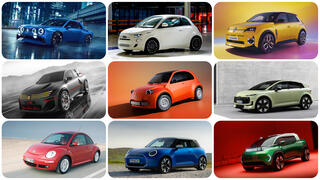
A wave of retro models is sweeping the European car industry, as manufacturers hope that an appeal to nostalgic feelings will halt the drift toward Chinese brands. We don't mind, because along the way we get to enjoy a lovely design trend that, incidentally, also has a successful motor base.