
The Bright Side
arrow_backHome
Why Instagram is about to look a lot more like YouTube
Business & Technology
Fast CompanyEN
October 26, 2026

Why Instagram is about to look a lot more like YouTube

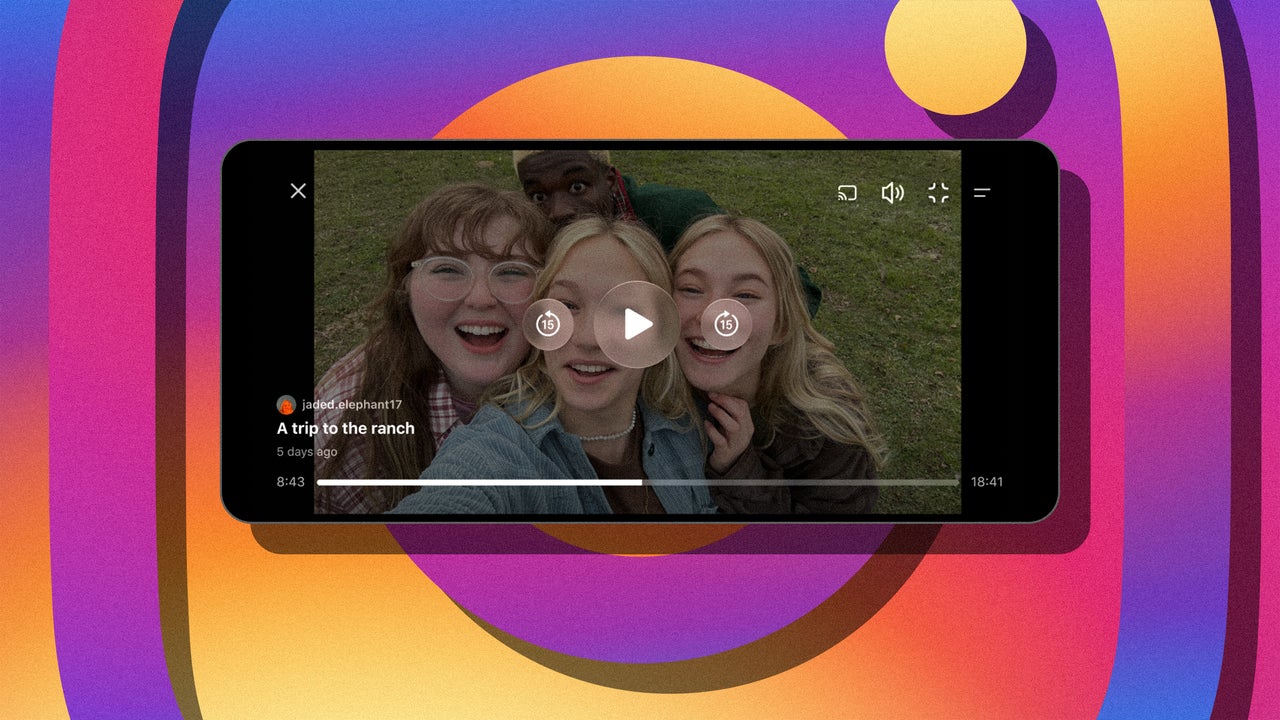
Instagram just announced a new feature that looks a whole lot like YouTube. In a video posted on October 26, the company announced its latest product, “Features.” According to head of Instagram Adam Mosseri and VP of product Tessa Lyons, Features is Instagram’s first major push into long-form, horizontal video, which will allow creators to post up to 90 minutes of content at a time—quite a jump from the former 20-minute maximum for vertical videos on Instagram Reels. Mosseri expects Features to start rolling out in a limited capacity this month and expand to “more and more people” down the line. “Instagram is all about connecting people over creativity, and creativity is so much more than just short-form video or posts and carousels,” Lyons says in the announcement. “If we look at how creators are telling stories today, it’s in so many different amazing formats.” Mosseri, who held an 18-year tenure at Facebook before taking the helm at Instagram in 2018, has long been opposed to adding long-form video to Instagram. Now, though, he and Lyons believe that adding long videos to the app is the best way to meet creators where they’re at. [Image: Instagram] What is an Instagram Feature? According to the announcement video, one of Mosseri’s key stipulations for bringing Features onto the app was ensuring that they work in a “symbiotic” relationship with Instagram’s existing short-form content. That criteria is baked into how the new long-form content will appear to users. For example, Mosseri explains, one pattern his team noticed was creators using Reels as a place to promote shorter clips of long-form content posted elsewhere. With Features, those creators will be able to post the entire source video, as well as up to eight Reels that link directly to it—essentially creating a natural segway from short-form to long-form content.  “One of the things that we’re already starting to see as we’re testing these different products is that people might discover a long-form video that they love by seeing a Reel that’s a clip of that video,” Lyons says.  In an interview with the podcast The Colin and Samir Show, Mosseri explained that users will be able to find Features both by navigating through links on short-form videos and by discovering them on the Explore page. The videos will also be a new core offering on Instagram for TV, which was first launched last year as a way for users to watch Reels on the big screen with their friends.  Mosseri and Lyons are imagining this new offering as a way to make Instagram users’ go-to platform regardless of occasion: Reels and posts are the “snackable” content that work as a quick bite, and, at home, Features are a full course that can be viewed on mobile or on TV. [Image: Instagram] Why Instagram is going to look more like YouTube When users see Features show up on their feeds, their first thought will likely be that it looks like a YouTube-Instagram hybrid—probably because YouTube holds a near-monopoly on long-form content on the internet.  In a July interview with Fast Company, YouTube shared that it now hosts more than 20 billion total videos and, shockingly, “billions” of logged-in monthly users. In 2025, YouTube’s parent company, Alphabet, reported that it had generated more than $60 billion in revenue across advertising and subscriptions—a sum that outpaced Netflix’s revenue by almost $15 billion. And, from April to June 2026 alone, YouTube ads netted Alphabet more than $11 billion, up 13% from the same period in 2025.  [Image: Instagram] Clearly, longform YouTube content is a goldmine for advertisers—and it’s no surprise that Instagram might want its own piece of the pie.  “Creators want to tell their stories where their communities already are,” an Instagram spokesperson wrote in an email to Fast Company. “People are also connecting over entertainment in new ways: sharing what they watch, watching together on the big screen, and creating in response to what inspires them. We’re bringing those experiences together.”

Read More

Curated from Fast Company. Classified as Business & Technology by AI, which sometimes makes mistakes.

Why are you reporting this article?

Why are you reporting this article?
0/500

More like this

More ›
Fast Company10/26/2026

Brick has become essential for reducing screentime during the day. Its new device is curbing you pre-bed scroll

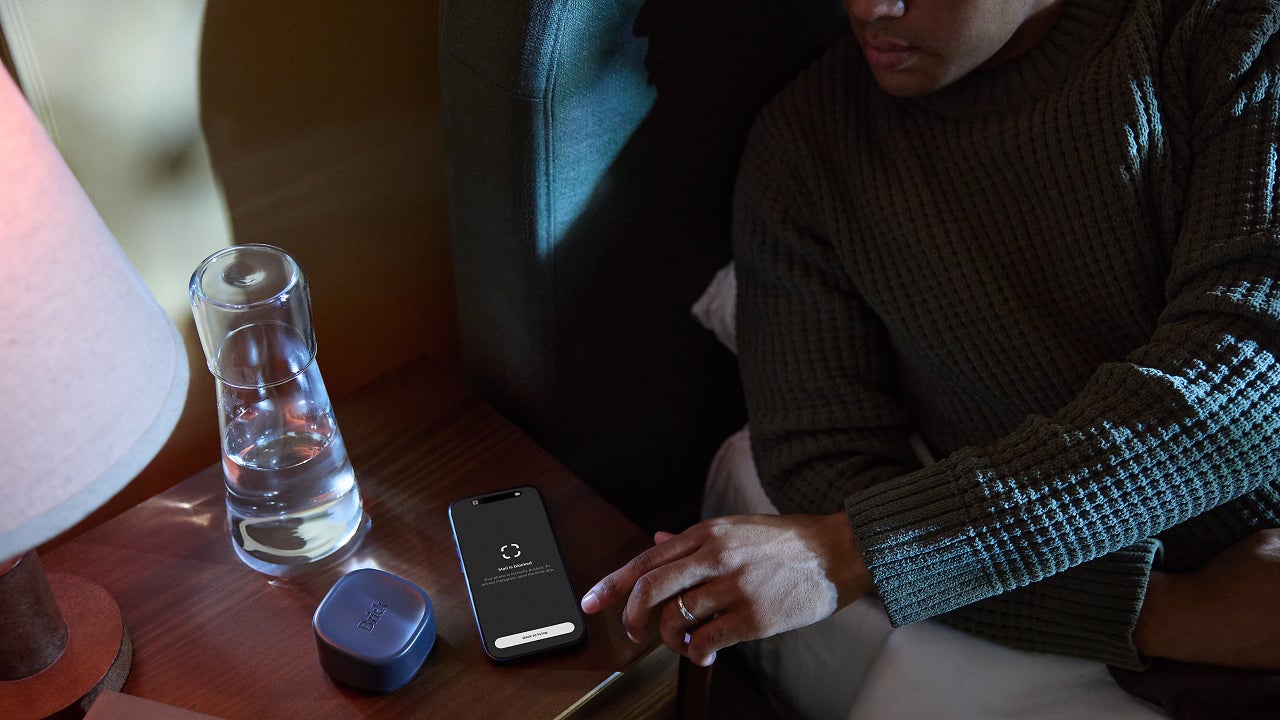
Since it launched in September 2023, Brick—the NFC-enabled productivity tool that lets users tap their phone to block a set list of apps—has become a popular way to get people to limit their screen time. Now, the company wants to bring the simplicity of its flagship product into the bedroom to help people get a good night’s sleep sans smartphone. Brick Night, launched Oct. 22, is only the second product from Brick, and it’s designed to make cutting out smartphone distraction effortless—removing the need to tap your phone at all. “After years of using Brick and talking with the people who use it, we’ve seen that boundaries work best when they’re built into your life,” Brick Co-founder TJ Driver tells Fast Company. “A natural next step was protecting physical spaces, so Brick Night builds on that foundation by automatically blocking distracting apps when you’re in your set space.” Brick Night uses Bluetooth to automatically block apps on a phone when the user enters their bedroom—or whatever room they want to be distraction-free. [Photo: Brick] To set up, users choose a list of apps to be blocked and set a duration for the block. Then, once Brick Night detects their phone nearby, those apps become inaccessible for the chosen amount of time. While the device can automatically lock apps on any room of a user’s choosing, for Driver, focusing on the bedroom was “the clear place to start.” The new device tackles a growing set of issues stemming from phone use in the bedroom. Studies have found that around 87% of Americans sleep with their phones in the bedroom, a habit that can significantly affect sleep quality. Researchers have found that just one hour of phone use in bed can increase the risk of insomnia by 59%. The Brick Night is responding to a desire from users to cut back on that phone time. A Pew Research released in September found that 45% of adults say they’ve tried to reduce their smartphone use in the past year. That’s especially true of people under 50, 58% of whom said they were trying to curb their smartphone use. Forty-one percent said their smartphone hurts the amount of sleep they get. “Our phones do have real uses in the bedroom, like alarms, important calls, and audio to wind down, but they also pull us into work, scrolling, and notifications. Brick Night builds the boundary into the room itself, ” Driver says. “You keep what you need, and you stick to a distraction-free routine every night without having to remember anything.” The new device, which is slightly larger than the original Brick and comes in a midnight blue color, will support multiple users and can cover a space as large as 25 x 25 feet. Brick Night is now available for purchase for $129 on the official Brick website.