
The Bright Side
arrow_backHome
NBA partners with Kalshi and Polymarket as official prediction markets
Business & Technology
Fast CompanyEN
October 26, 2026

NBA partners with Kalshi and Polymarket as official prediction markets

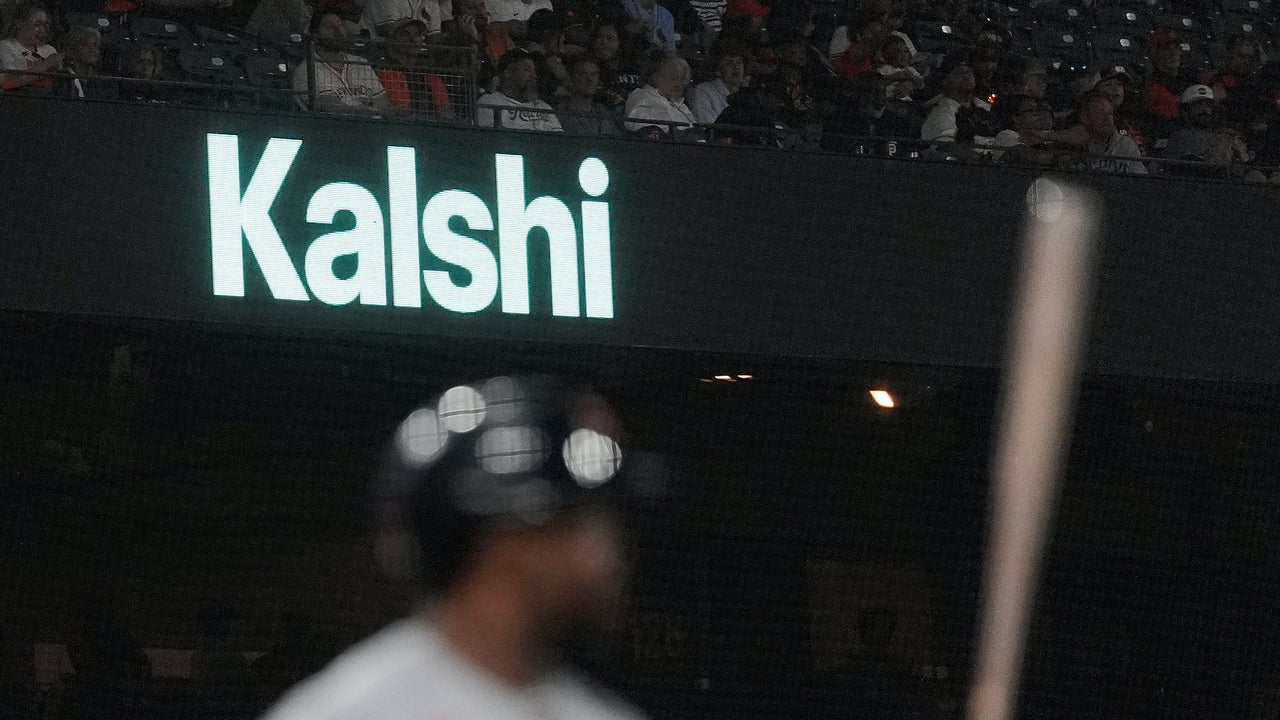
The NBA has struck deals that will make Kalshi and Polymarket the league’s preferred prediction markets, along with an agreement with a federal agency tasked with regulating those exchanges. Those agreements, announced Monday, are intended to provide “significant integrity protections for NBA-related markets,” including limitations on what can be offered on those exchanges, transparency when it comes to suspicious patterns by site users, and banning league and team personnel from making trades related to league events. The prediction markets will have “information-sharing obligations relating to investigations and suspicious trading,” the NBA said. The NBA has had similar guardrails in place with its sportsbook partners for some time and has cited instances where that system has flagged irregularities in betting patterns. “If you’re going to be betting on our games or trading on our games or playing fantasy around our games, it’s better for it to be regulated than unregulated,” said Scott Kaufman-Ross, the NBA’s head of media distribution and partnerships. “And clearly, our fans have interest in this activity. So, we’re in a better position to protect the integrity of our games in a regulated market where there’s transparency, where things can be monitored and we have insight into what’s happening.” The NBA is also expanding its agreements with current official sports betting partners, such as DraftKings, to include their prediction-market offerings. Not all states offer legalized sports betting but predictions markets—at least on some level—are essentially available in all 50 states. More than a dozen states are involved in litigation over prediction markets, and earlier this month the NFL asked the Supreme Court to rule on the regulation of such markets. The U.S. Commodity Futures Trading Commission contends that it has exclusive jurisdiction on oversight, though some states believe it should fall under their purview. Earlier this month, the NBA told sportsbooks they will not be permitted to offer certain types of wagering this season, including but not limited to which players record the first stat of a game, the outcome of the opening tip, and taking the “under” involving players not expected to play more than a few minutes. The deals announced on Monday are expected to have similar restraints. “A big part of this is a limitation on the types of markets that can be offered,” Kaufman-Ross said. “We will have the right to approve the types of markets that are available on our games, which is a very important component for us. And we’ve had very constructive dialogues with the companies as part of that.” The NBA’s memorandum of understanding with the CFTC “reflects a shared commitment to ensuring that NBA-related prediction markets are subject to appropriate regulatory oversight and integrity protections,” the league said. Kalshi and Polymarket, as part of their partnerships with the NBA, will now be able to describe themselves as the “Preferred Prediction Market Exchange of the NBA,” plus have access to league intellectual property such as logos, be able to get NBA statistical data from league partner Sportradar “to operate and settle authorized NBA-related markets,” and other marketing activations. The terms of the NBA’s agreements with Kalshi and Polymarket were not disclosed, other than the league confirming that they are for multiple years. There are NBA stars with business relationships with those markets; Miami’s Giannis Antetokounmpo has promoted Kalshi and Philadelphia’s LeBron James recently signed a deal with Polymarket. At least one other NBA star, San Antonio’s Victor Wembanyama, recently said he will never endorse such sites. —By Tim Reynolds, AP basketball writer

Read More

Curated from Fast Company. Classified as Business & Technology by AI, which sometimes makes mistakes.

Why are you reporting this article?

Why are you reporting this article?
0/500

More like this

More ›
Fast Company10/26/2026

Brick has become essential for reducing screentime during the day. Its new device is curbing you pre-bed scroll

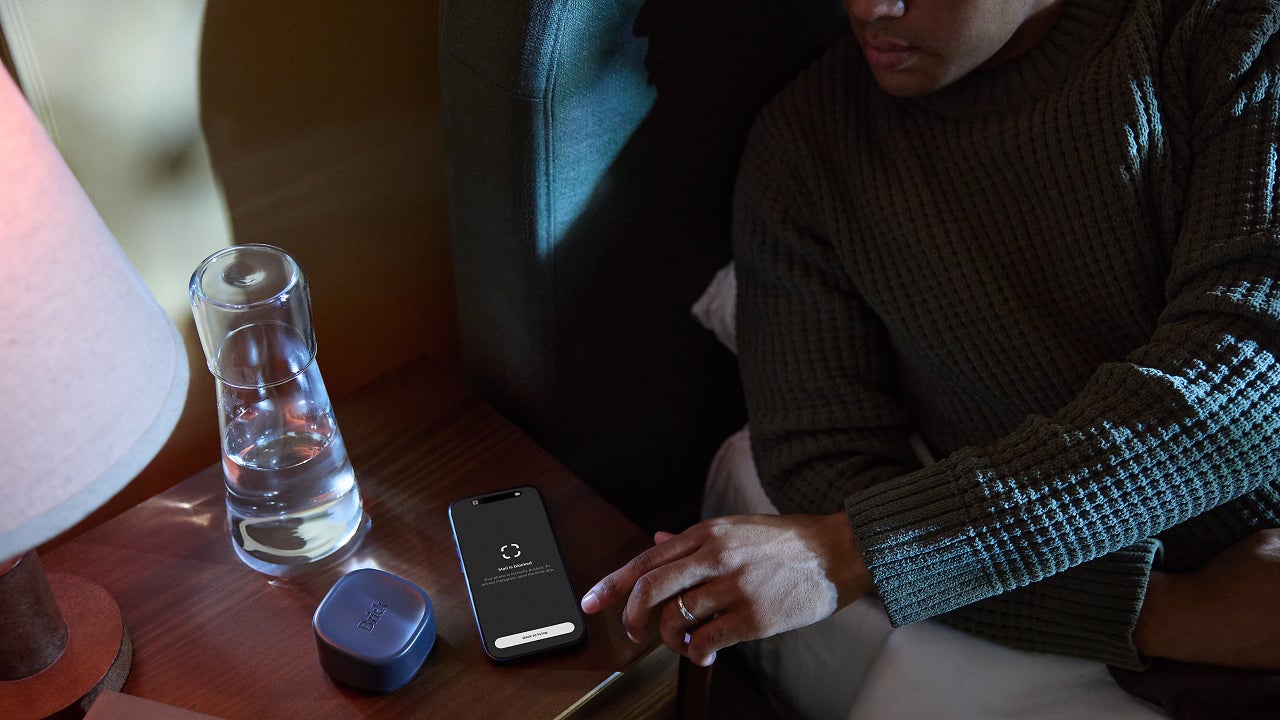
Since it launched in September 2023, Brick—the NFC-enabled productivity tool that lets users tap their phone to block a set list of apps—has become a popular way to get people to limit their screen time. Now, the company wants to bring the simplicity of its flagship product into the bedroom to help people get a good night’s sleep sans smartphone. Brick Night, launched Oct. 22, is only the second product from Brick, and it’s designed to make cutting out smartphone distraction effortless—removing the need to tap your phone at all. “After years of using Brick and talking with the people who use it, we’ve seen that boundaries work best when they’re built into your life,” Brick Co-founder TJ Driver tells Fast Company. “A natural next step was protecting physical spaces, so Brick Night builds on that foundation by automatically blocking distracting apps when you’re in your set space.” Brick Night uses Bluetooth to automatically block apps on a phone when the user enters their bedroom—or whatever room they want to be distraction-free. [Photo: Brick] To set up, users choose a list of apps to be blocked and set a duration for the block. Then, once Brick Night detects their phone nearby, those apps become inaccessible for the chosen amount of time. While the device can automatically lock apps on any room of a user’s choosing, for Driver, focusing on the bedroom was “the clear place to start.” The new device tackles a growing set of issues stemming from phone use in the bedroom. Studies have found that around 87% of Americans sleep with their phones in the bedroom, a habit that can significantly affect sleep quality. Researchers have found that just one hour of phone use in bed can increase the risk of insomnia by 59%. The Brick Night is responding to a desire from users to cut back on that phone time. A Pew Research released in September found that 45% of adults say they’ve tried to reduce their smartphone use in the past year. That’s especially true of people under 50, 58% of whom said they were trying to curb their smartphone use. Forty-one percent said their smartphone hurts the amount of sleep they get. “Our phones do have real uses in the bedroom, like alarms, important calls, and audio to wind down, but they also pull us into work, scrolling, and notifications. Brick Night builds the boundary into the room itself, ” Driver says. “You keep what you need, and you stick to a distraction-free routine every night without having to remember anything.” The new device, which is slightly larger than the original Brick and comes in a midnight blue color, will support multiple users and can cover a space as large as 25 x 25 feet. Brick Night is now available for purchase for $129 on the official Brick website.