

The Bright Side
arrow_backHome
MIT scientists build a tiny robot that swims using living muscle cells
Science
ScienceDaily (all)EN
October 23, 2026

MIT scientists build a tiny robot that swims using living muscle cells

MIT engineers have built a paper-thin swimming robot powered by living muscle cells that respond to flashes of light, allowing it to swim and steer through water. The breakthrough could pave the way for tiny, self-healing biological robots capable of exploring fragile environments that ordinary machines cannot safely navigate.

Read More

Curated from ScienceDaily (all). Classified as Science by AI, which sometimes makes mistakes.

Why are you reporting this article?

Why are you reporting this article?
0/500

More like this

More ›
NASA News10/23/2026

NASA, Partners Accelerate Lander Development for 2028 Moon Missions

As NASA returns humans to the lunar surface and establishes a long-term presence on our closest celestial neighbor, the agency and commercial human landing system providers Blue Origin and SpaceX have streamlined the designs and changed both concepts of operations for its future crewed landers. Since NASA established initial contracts with Blue Origin and SpaceX […]
NASA News10/23/2026

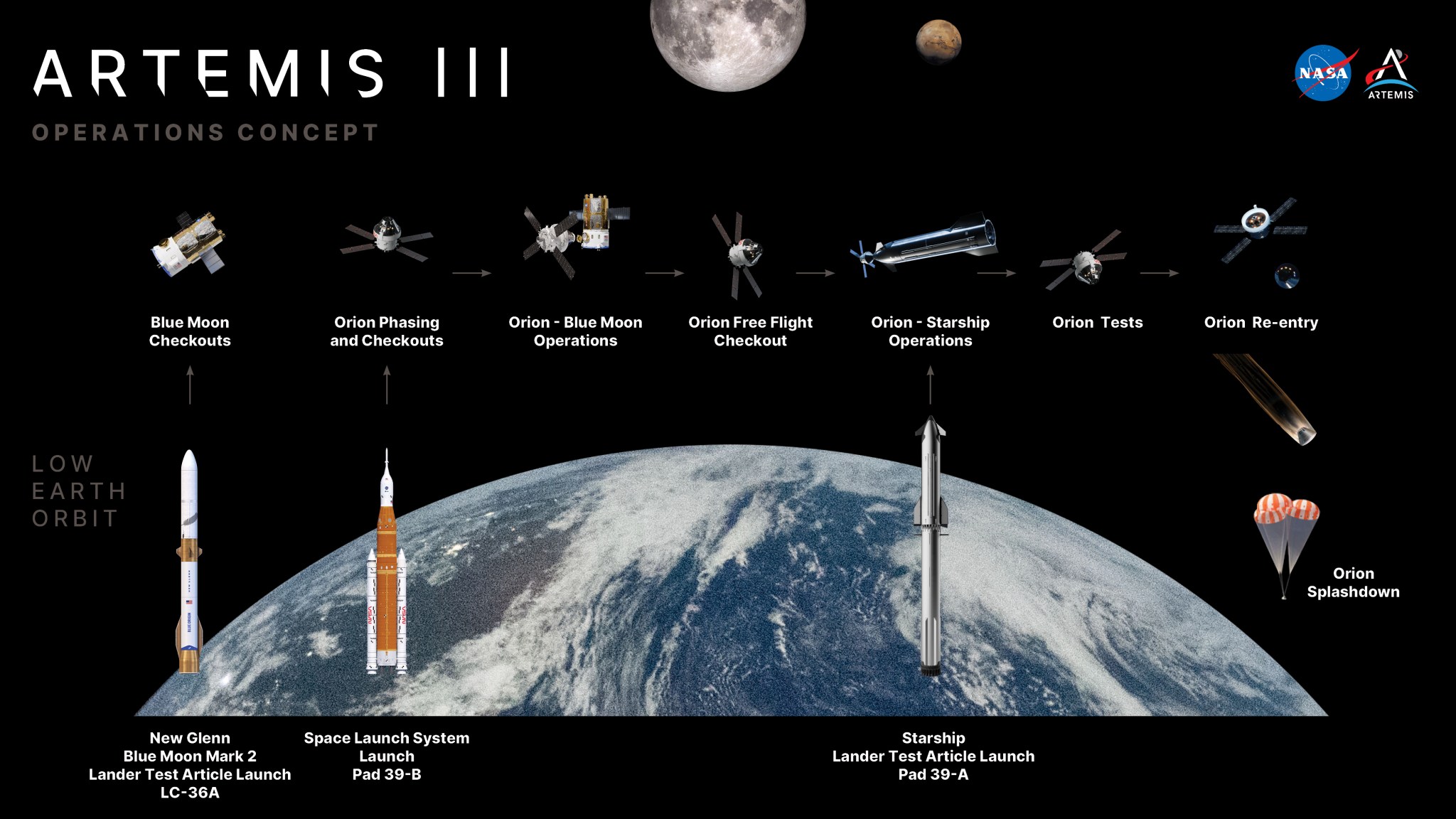
NASA’s Artemis III Mission to Test Future Moon Lander Operations

Before astronauts return to the lunar surface, NASA will first conduct one of the most ambitious and complex test missions in the agency’s history.  Launching in 2027, Artemis III will send NASA astronauts Randy Bresnik, Frank Rubio, Andre Douglas, and ESA (European Space Agency) astronaut Luca Parmitano aboard the Orion spacecraft into low Earth orbit […]

NASA News10/23/2026

NASA’s Swift Mission Ends, Leaves Behind Scientific Bonanza

NASA’s Neil Gehrels Swift Observatory has ended its science mission now that the spacecraft is orbiting less than 171 miles (275 kilometers) above Earth’s surface. The greater atmospheric drag at this height prevents the satellite’s telescopes from steadily gazing at their astronomical targets. Swift conducted its final observation on Oct. 20. It is expected to […]