

The Bright Side
arrow_backHome
This bird flies thousands of miles, but its wings have a catch
Science
ScienceDaily (all)EN
October 17, 2026

This bird flies thousands of miles, but its wings have a catch

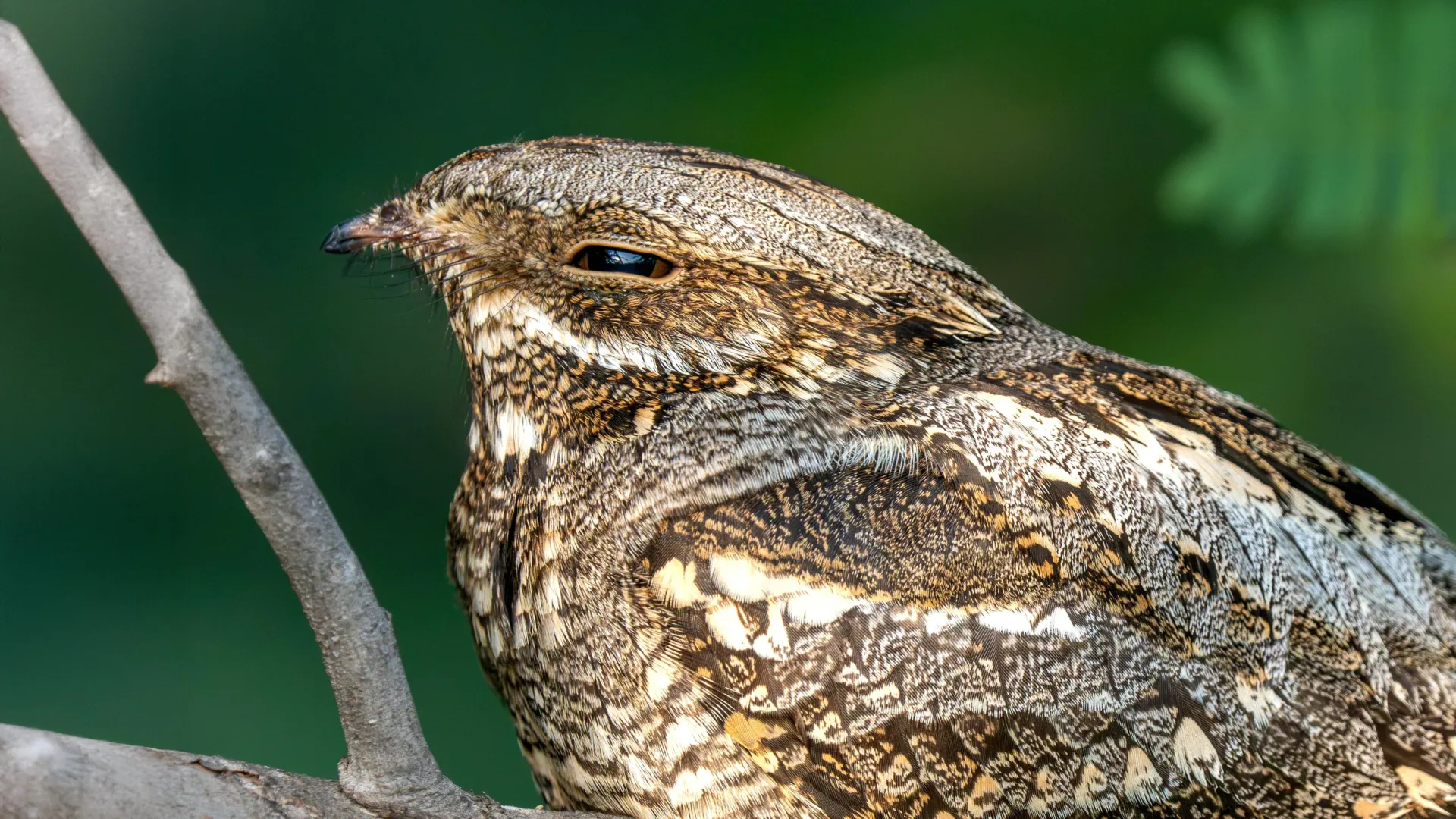
Scientists have uncovered an unexpected trade-off in the wings of the European nightjar, a bird that migrates thousands of kilometers but sacrifices high-speed flight efficiency to hunt insects with remarkable agility. Even more surprisingly, it generates thrust on the upward wingbeat, a technique that could inspire new flying technologies.

Read More

Curated from ScienceDaily (all). Classified as Science by AI, which sometimes makes mistakes.

Why are you reporting this article?

Why are you reporting this article?
0/500

More like this

More ›
ScienceDaily (all)10/17/2026

New drug reverses severe fatty liver disease by repairing the gut

Scientists have discovered that a potential new drug can reverse severe fatty liver disease in animal models by restoring gut health and blocking harmful substances from reaching the liver. The breakthrough could pave the way for new treatments for liver disease and potentially other serious conditions, including cardiovascular disease.

ScienceDaily (all)10/17/2026

NASA’s Roman Space Telescope exceeds expectations by nearly 30%

NASA’s Nancy Grace Roman Space Telescope has exceeded expectations after engineers made incredibly tiny adjustments to sharpen its view of the universe. By moving a mirror just one-sixteenth the width of a human hair, the team helped bring its powerful instruments into near-perfect alignment. Roman’s Wide Field Instrument now produces image quality nearly 30% better than predicted, promising exceptionally sharp cosmic surveys.

ScienceDaily (all)10/17/2026

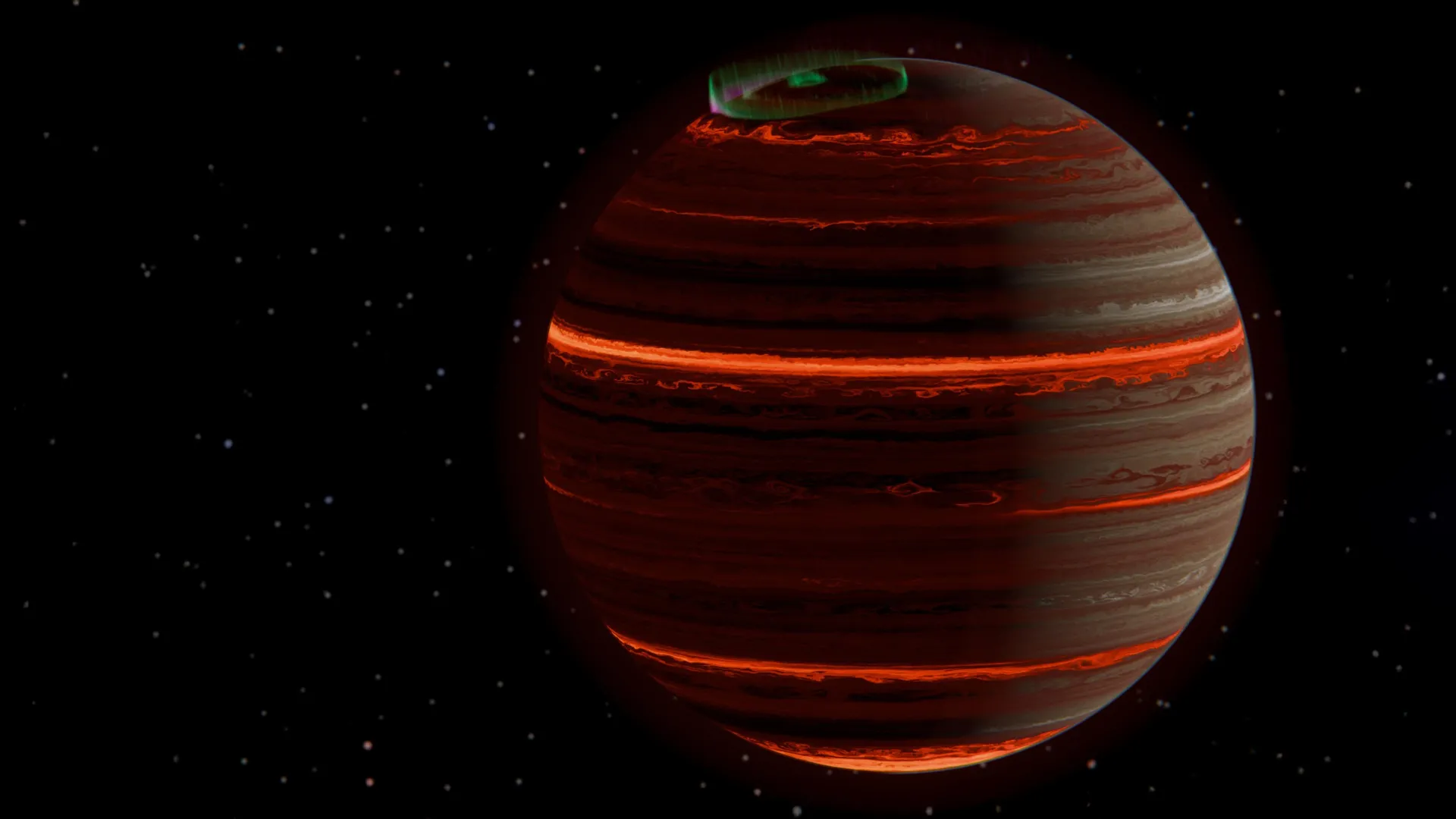
NASA’s Webb reveals the wild weather of a mysterious world 20 light-years away

NASA’s James Webb Space Telescope has revealed that a turbulent world 20 light-years away has a surprisingly orderly weather system, with three recurring atmospheric states driven by temperature changes and shifting clouds. The breakthrough gives scientists a powerful new tool for uncovering weather patterns on distant worlds and understanding the conditions that shape their atmospheres.