

The Bright Side
arrow_backHome
Cornell scientists identify rare human genetic disorder in two unusually long-legged cats
Science
ScienceDaily (all)EN
October 14, 2026

Cornell scientists identify rare human genetic disorder in two unusually long-legged cats

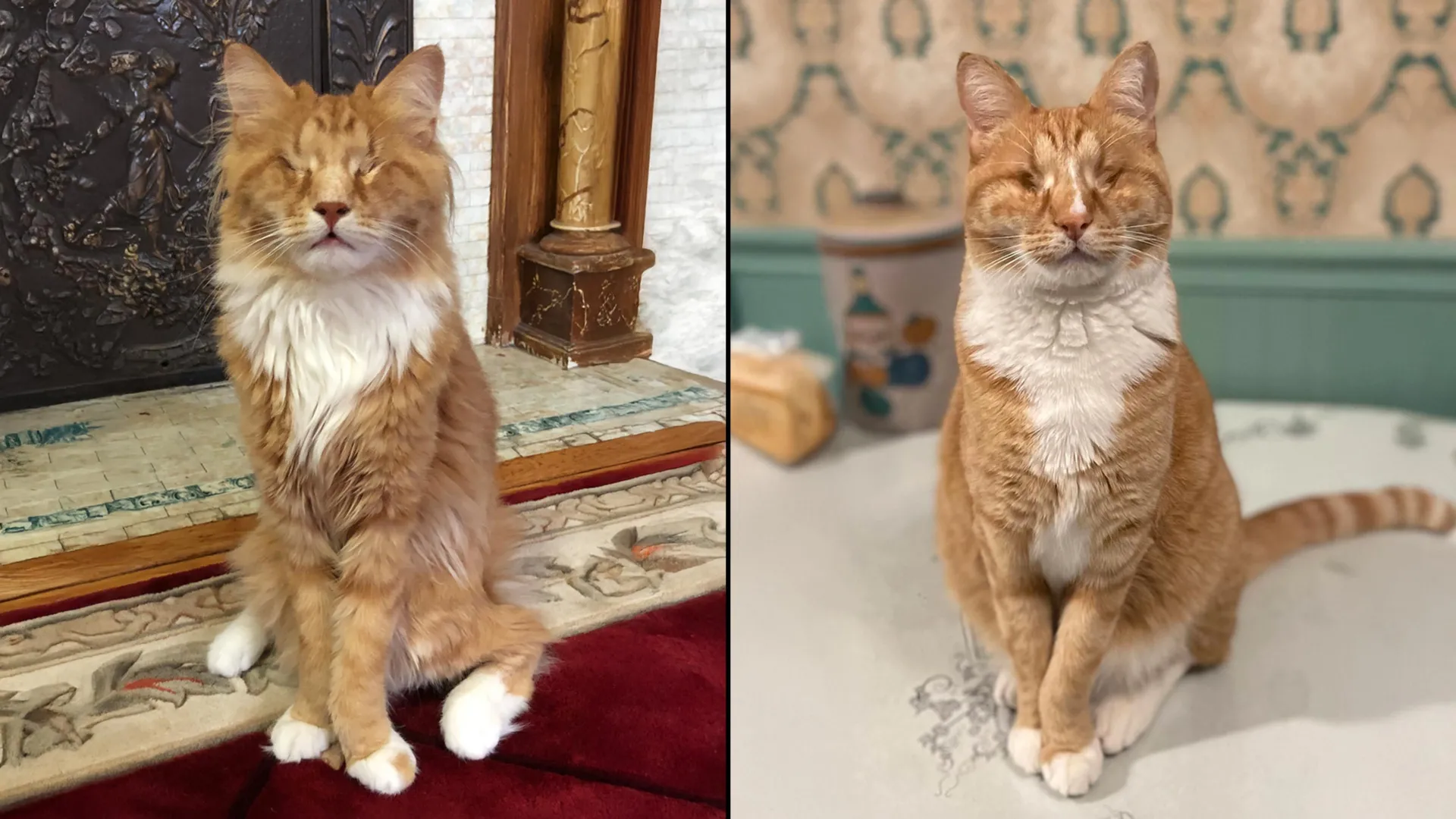
Two unusually long-legged cats have helped scientists uncover the first genetically confirmed cases of Marfan syndrome in domestic felines. Researchers at Cornell University discovered that the brothers carried two altered copies of a gene linked to the rare connective tissue disorder, which can affect the eyes, heart, and blood vessels. Surprisingly, the cats survived into adulthood because their genetic mutation still allowed some normal function.

Read More

Curated from ScienceDaily (all). Classified as Science by AI, which sometimes makes mistakes.

Why are you reporting this article?

Why are you reporting this article?
0/500

More like this

More ›
NASA News10/14/2026

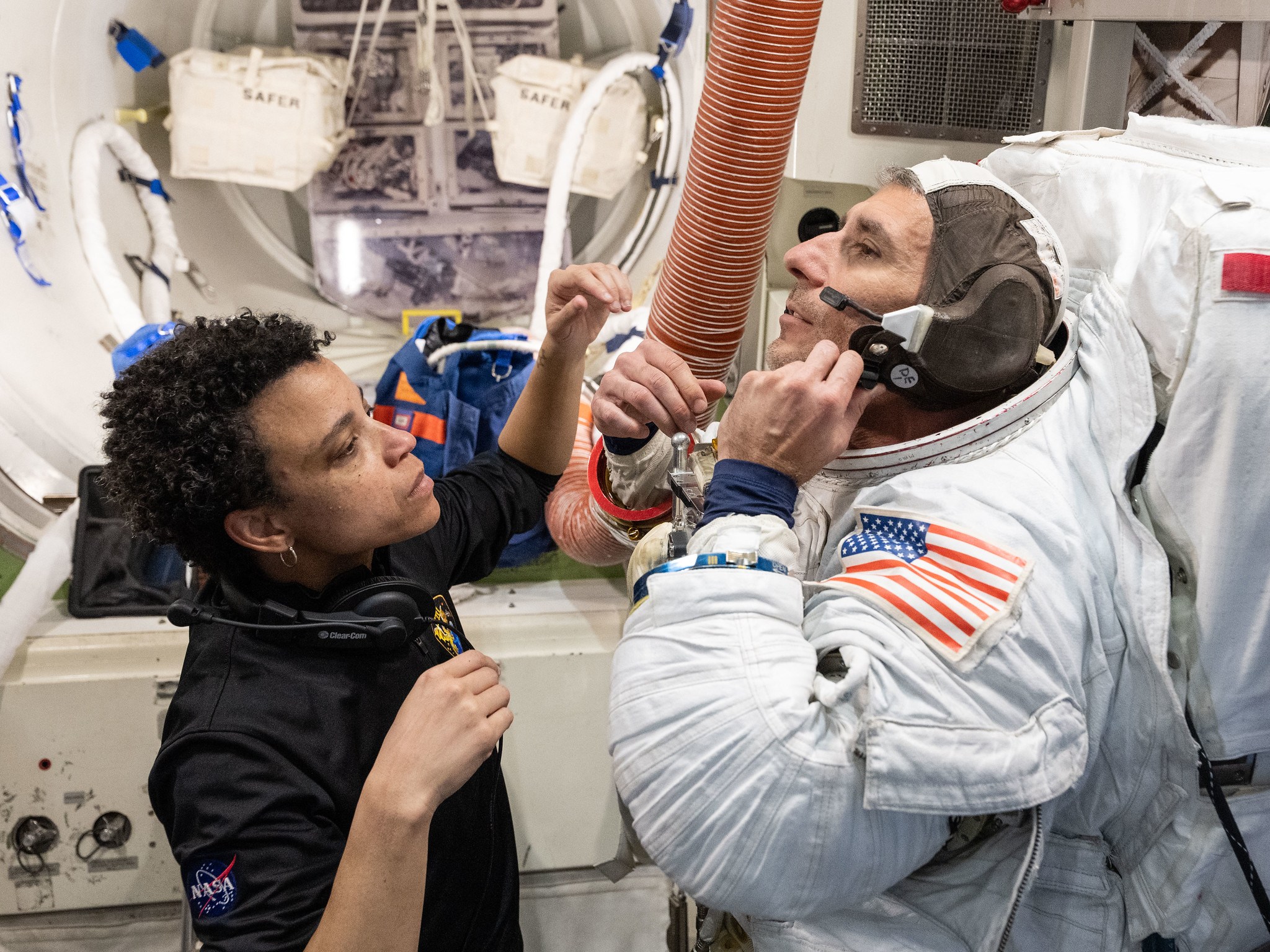
NASA to Host News Conference Previewing US Spacewalks 100, 101

NASA will preview two upcoming spacewalks to complete solar array installation and power augmentation of the International Space Station during a news conference at 2 p.m. EDT, Tuesday, Oct. 20, from NASA’s Johnson Space Center in Houston. NASA will stream the event through a variety of platforms. Learn where to watch online: https://www.nasa.gov/live NASA participants […]
NASA News10/14/2026

NASA Astronauts to Answer Questions from Florida Students

Students in Florida will hear from NASA astronauts Jessica Watkins and Luke Delaney as they answer prerecorded STEM questions while aboard the International Space Station. The Earth-to-space call will begin at 12 p.m. EDT Friday, Oct. 16, and will stream live on the agency’s Learn With NASA YouTube channel. This event is hosted by Sally Ride Elementary School […]

NASA News10/14/2026

NASA’s Chandra Breaks Down ‘Treble Clef’s’ Galaxy Cluster Collision

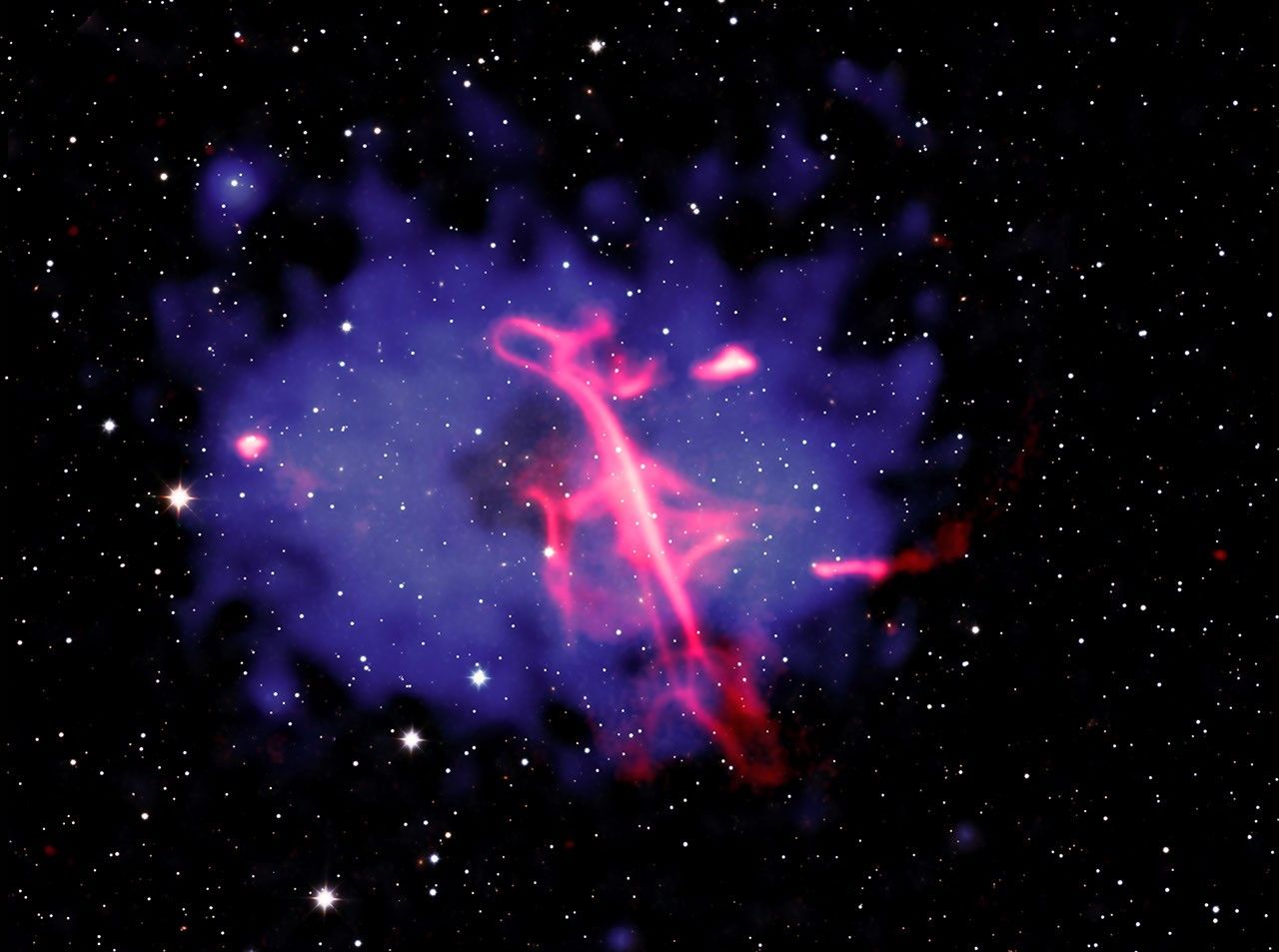
Astronomers have used NASA’s Chandra X-ray Observatory to break down the cause of a remarkable formation of radio waves they have nicknamed the “Treble Clef” because its distinct shape strongly resembles the musical symbol. The researchers discovered the Treble Clef is likely caused by an outburst from a supermassive black hole, followed by a collision […]