


The Bright Side
arrow_backHome
This tiny jurassic predator helped pave the way for the human brain
Science
ScienceDaily (all)EN
October 13, 2026

This tiny jurassic predator helped pave the way for the human brain

A 165-million-year-old fossil has revealed an extraordinary Jurassic predator that may help explain how mammals developed one of their most important evolutionary advantages. Although only 20 inches long, Megacauda sungei was a heavyweight among early mammal relatives, swimming through ancient waterways and hunting prey with specialized teeth. Its advanced swallowing anatomy reveals an early step toward the ability to safely nurse on milk, a key development in mammalian evolution.

Read More

Curated from ScienceDaily (all). Classified as Science by AI, which sometimes makes mistakes.

Why are you reporting this article?

Why are you reporting this article?
0/500

More like this

More ›
NASA News10/13/2026

NASA Names Astronaut Christina Koch Acting Deputy Chief Engineer

NASA engineer and astronaut Christina Koch will serve as the agency’s acting deputy chief engineer beginning on Sunday, Nov. 1, following the retirement of Katherine Van Hooser, who will conclude more than 35 years of distinguished service to the agency on Wednesday, Oct. 21. In her new role, Koch will help lead NASA’s engineering community, […]
Good News Network10/13/2026

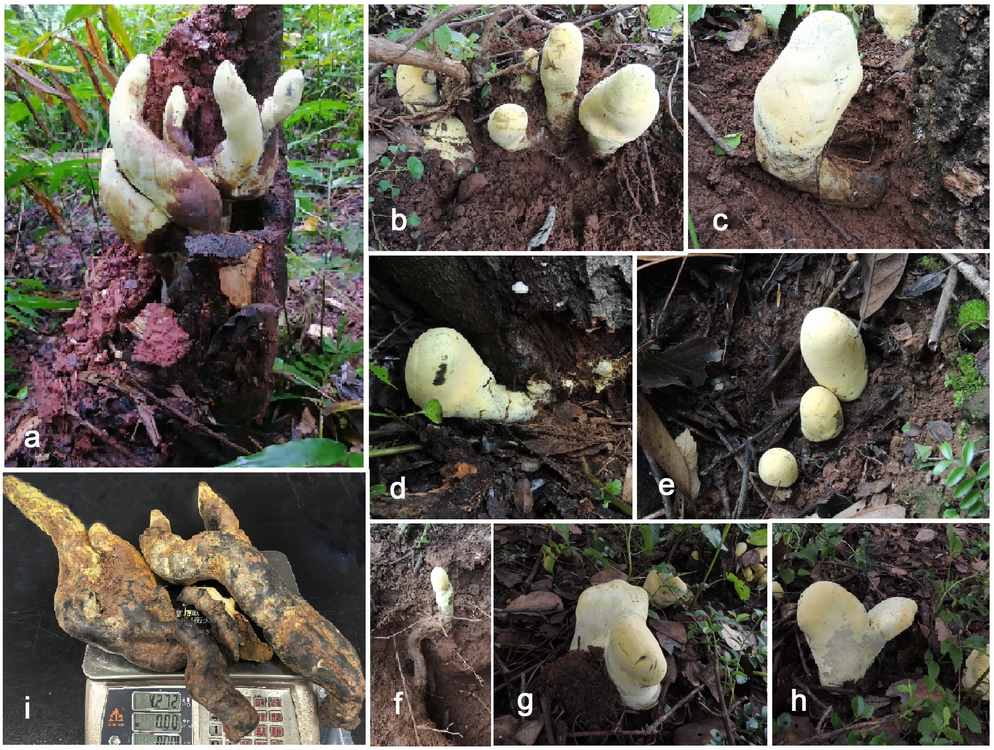
Scientists Shocked to Discover ‘D-rex’, a Giant Fungus from Chinese Forests Dating Back 65 Million Years

Deep in the forests of southwest China, scientists have discovered a ‘fungal giant’ that challenges our understanding of how large fungi can become. The newly described species, Dianjunus rex, or “King of Dian,” named for an ancient Chinese kingdom, produces vertical fruiting bodies up to 20 inches high and weighing up to 5 pounds. Scientists […] The post Scientists Shocked to Discover ‘D-rex’, a Giant Fungus from Chinese Forests Dating Back 65 Million Years appeared first on Good News Network.