
The Bright Side
arrow_backHome
Apple’s HomeView is nearly a decade late. That might not matter
Business & Technology
Fast CompanyEN
October 13, 2026

Apple’s HomeView is nearly a decade late. That might not matter

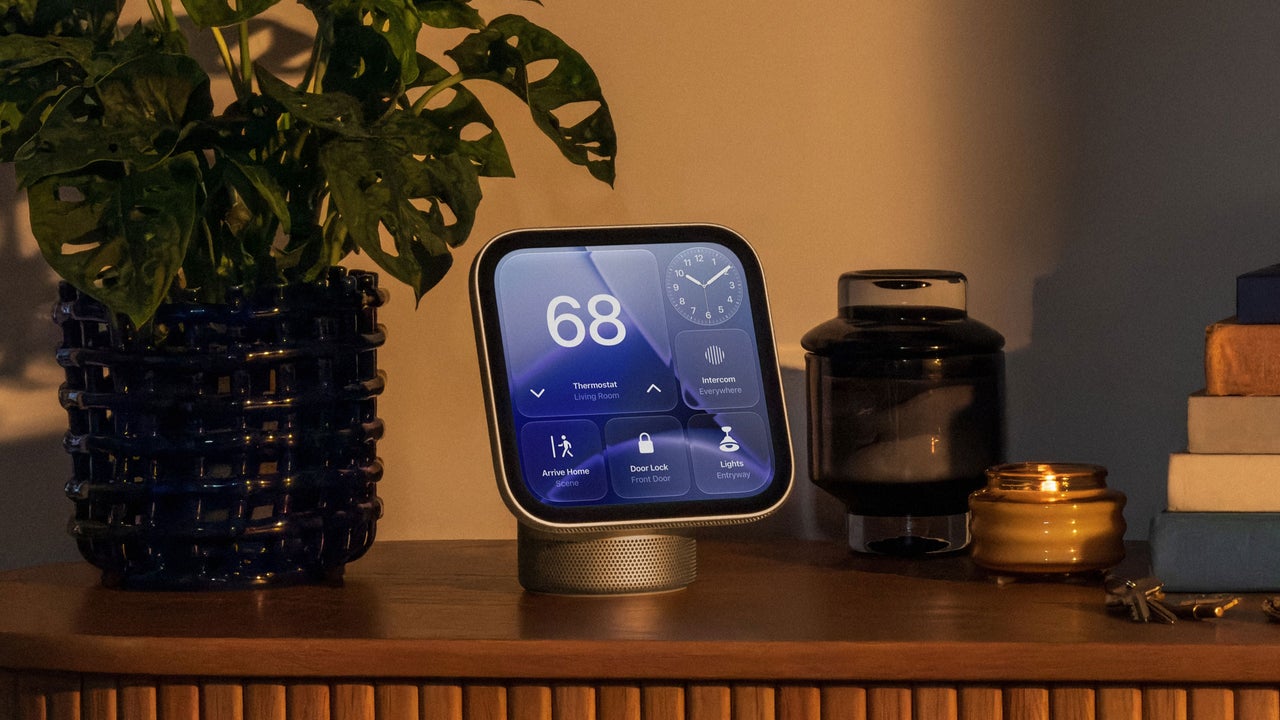
Apple thinks you might want a screen in your kitchen or bedroom. It’s nearly a decade late to the party, with its $299 HomeView, announced on October 13, arriving nine years after Amazon unveiled the Echo Show, and eight after Google came out with its own Home Hub. But that tardiness doesn’t matter for the Cupertino tech giant, which has made its name by arriving with technology others have already developed, then doing it better—and making it a more enviable object to own. It’s a playbook Apple has honed, one that bets big on its design chops to differentiate its products from what’s already on the market. And once again, it might prove successful with the HomeView. When Apple released the iPod, it was far from the first MP3 player on the market. When the iPhone debuted in 2007, it was just one of many smartphones available to buy. What both did, though, was redefine the market by offering something distinctly Apple: beautiful engineering and clever design that made them, rather than their competitors, synonymous with their respective categories. The same is arguably true of the Apple Watch and AirPods, both of which hold outsized positions in their markets. [Photo: Apple] On the face of it, HomeView follows the same formula. Its seven-inch screen sits on a tilting aluminum stand and adjusts its display depending on how close a user is. Using facial recognition, it can present tailored information to up to six household members. That’s not unique: Google’s Nest Hub Max has long offered facial recognition to personalize calendars and other information, while Amazon’s Echo Show can recognize individual users and adjust what’s displayed depending on how far away they are. But everything from the color-matched cables to the pared-back design is the sort of thing that leaves Apple fans in raptures. Elsewhere, the HomeView isn’t great shakes. Amazon’s Echo Show can use its built-in camera for remote home monitoring, letting you check on your house while you’re away, a feature HomeView doesn’t offer. The same is true in the bedroom: Google’s second-generation Nest Hub can use radar to monitor your sleep without needing a wearable device, something Apple doesn’t offer. The price tag is also higher than those of similarly equipped products already on the market. And yet HomeView could sell in droves, even if analysts forecast a broader dip in smart display shipments this year. That’s because Apple has made it its business not to be first in the race, but to understand what we want to buy and offer the idealized version of it.

Read More

Curated from Fast Company. Classified as Business & Technology by AI, which sometimes makes mistakes.

Why are you reporting this article?

Why are you reporting this article?
0/500

More like this

More ›