
SpaceFlightNow10/12/2026
SpaceX Falcon 9 rocket to launch 27 Starlink satellites into orbit from California
Liftoff off of the Starlink 15-25 mission from Space Launch Complex 4 East is scheduled for 5:28 p.m. PDT (8:28 p.m. EDT / 0028 UTC).

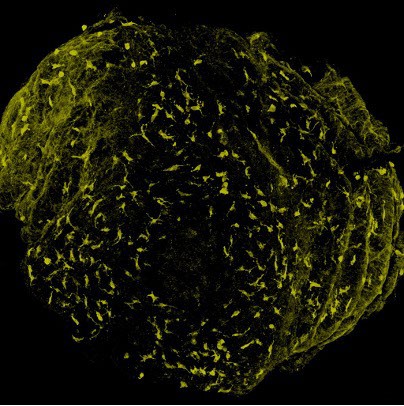
Scientists have discovered that some severe genetic disorders linked to rapid aging may be driven not just by damaged DNA, but by the body’s overreaction to that damage. When broken DNA fragments leak into the wrong part of a cell, an immune sensor called cGAS can mistake them for signs of a viral infection, triggering chronic inflammation and even interfering with DNA repair itself.
Curated from ScienceDaily (all). Classified as Science by AI, which sometimes makes mistakes.
Liftoff off of the Starlink 15-25 mission from Space Launch Complex 4 East is scheduled for 5:28 p.m. PDT (8:28 p.m. EDT / 0028 UTC).
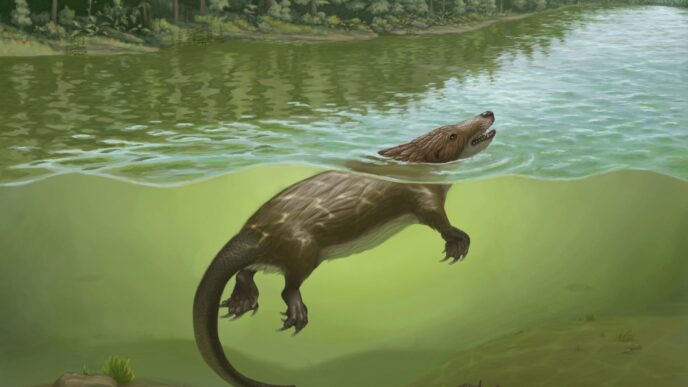
Researchers discovered a fossil of an ancient animal that swam like a duck, walked sideways like an otter and bore a tail similar to that of a beaver | The fossil, about 165 million years old, was preserved with remnants of skin and fur, and revealed new findings about mammal evolution during the dinosaur era
NASA experiments focused on human and plant health and drug-resistant organisms will travel to the International Space Station aboard SpaceX’s 35th Commercial Resupply Services mission for the agency from Cape Canaveral Space Force Station in Florida, advancing research that benefits life on Earth and future exploration. This research supports astronaut health during long-duration missions through […]