
The Bright Side
arrow_backHome
324-million-year-old fossil reveals how insects conquered land
Science
ScienceDaily (all)EN
August 27, 2026

324-million-year-old fossil reveals how insects conquered land

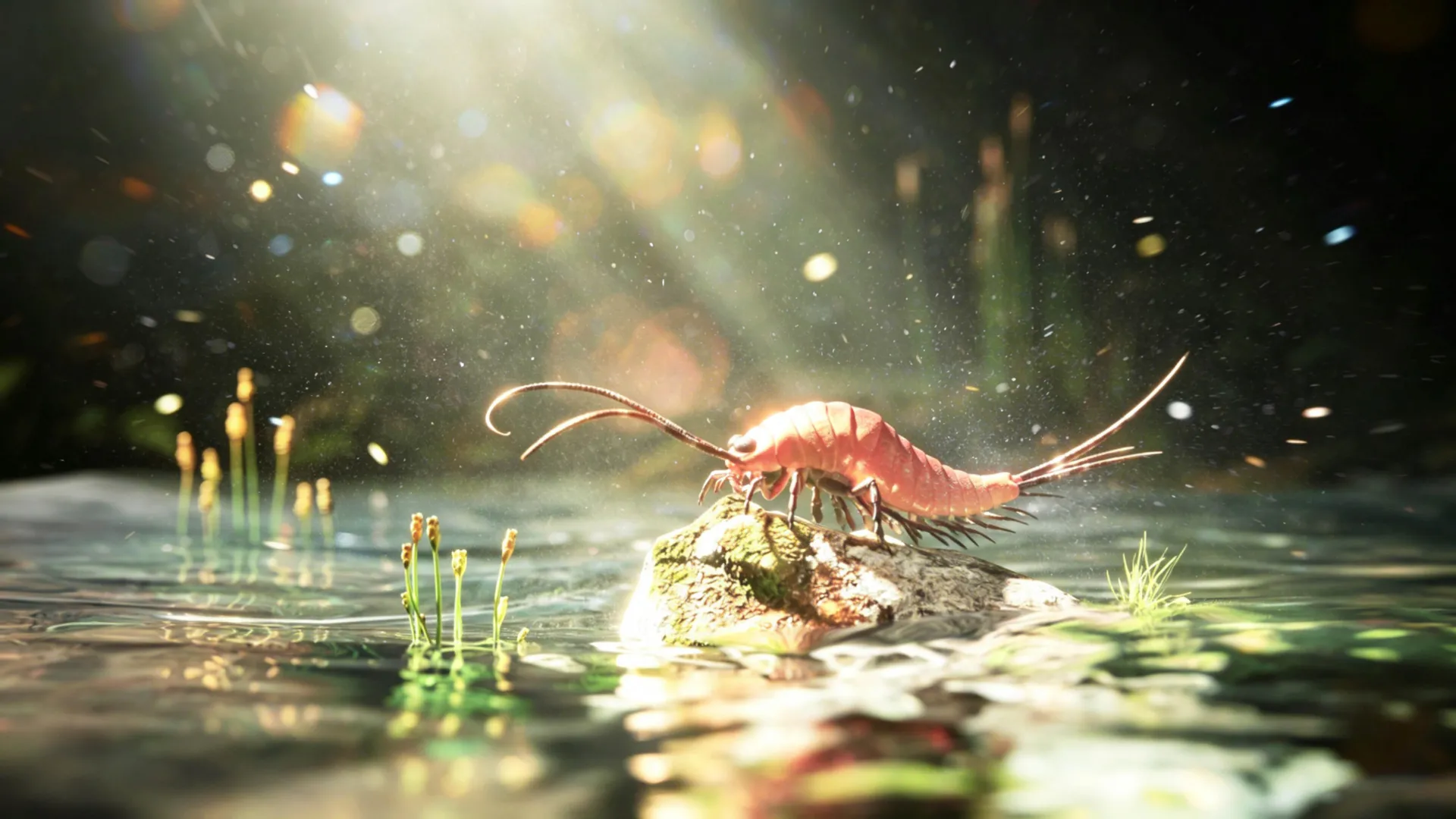
Ancient fossils suggest insects conquered land through a long amphibious phase rather than making an abrupt jump from water to dry ground. A newly identified 324-million-year-old species still carried paddle-like abdominal limbs, revealing an evolutionary bridge between aquatic ancestors and modern six-legged insects.

Read More

Curated from ScienceDaily (all). Classified as Science by AI, which sometimes makes mistakes.

Why are you reporting this article?

Why are you reporting this article?
0/500

More like this

More
NASA News8/27/2026

NASA Invites Media to Turkey Artemis Accords Signing Ceremony

Turkey will sign the Artemis Accords during a ceremony at 2:30 p.m. EDT Monday, Aug. 31, at NASA Headquarters in Washington, becoming the 71st country signatory. NASA Administrator Jared Isaacman will host Turkish Minister of Industry and Technology Mehmet Fatih Kacır for the ceremony, together with U.S. Department of State officials. This event is in person only. […]
NASA News8/27/2026

Civil Servants Sworn in at NASA Ames

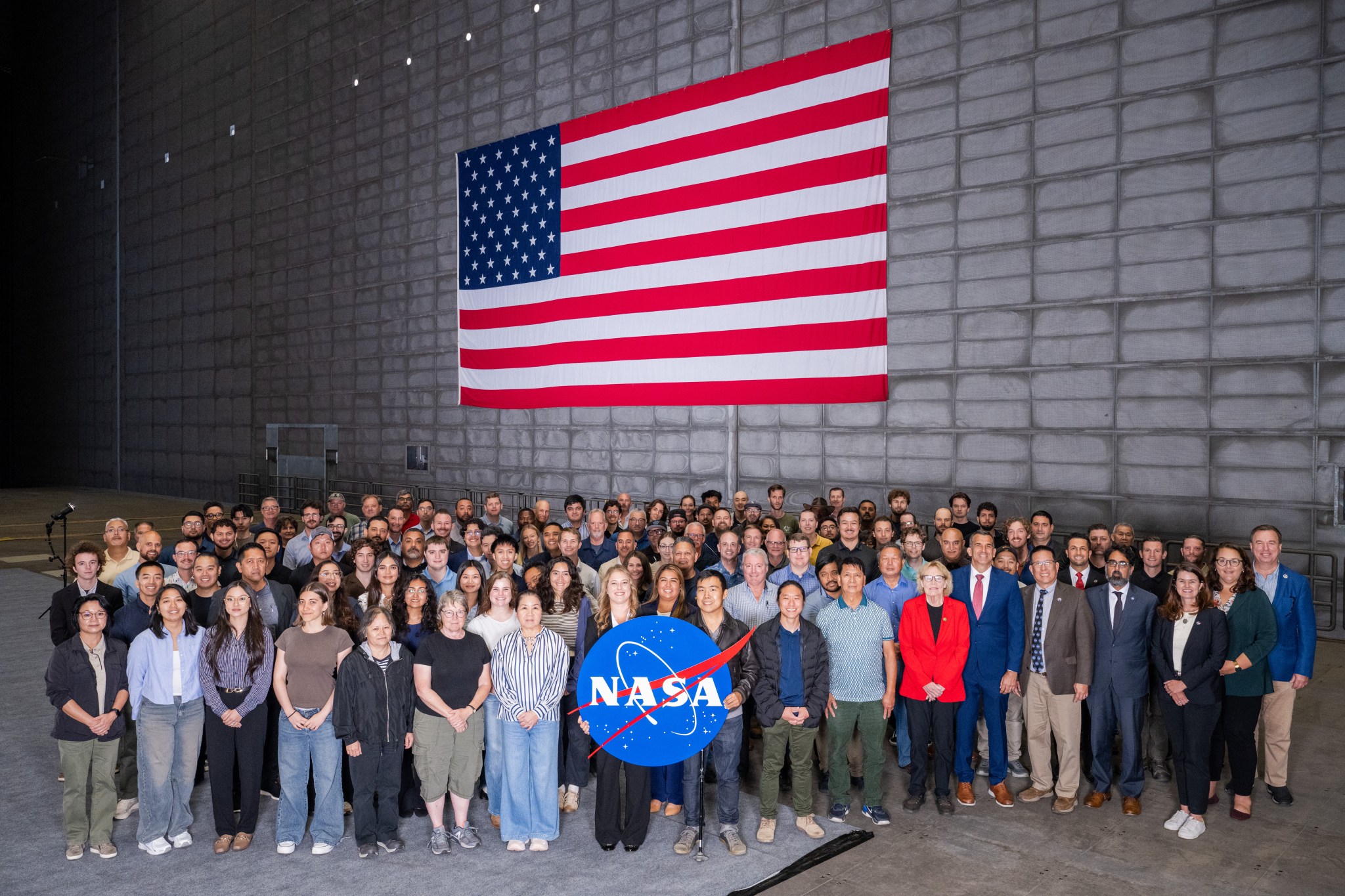
New civil servants and guests pose for a group photo with NASA and center leadership in the National Full-Scale Aerodynamics Complex (NFAC) 80-by-120-foot test section, N221 on Aug. 24, 2026. The civil servants were sworn-in the same day in the largest swearing-in ceremony ever hosted at NASA’s Ames Research Center in California’s Silicon Valley since […]

NASA News8/27/2026

9 Things to Know About NASA’s Nancy Grace Roman Space Telescope

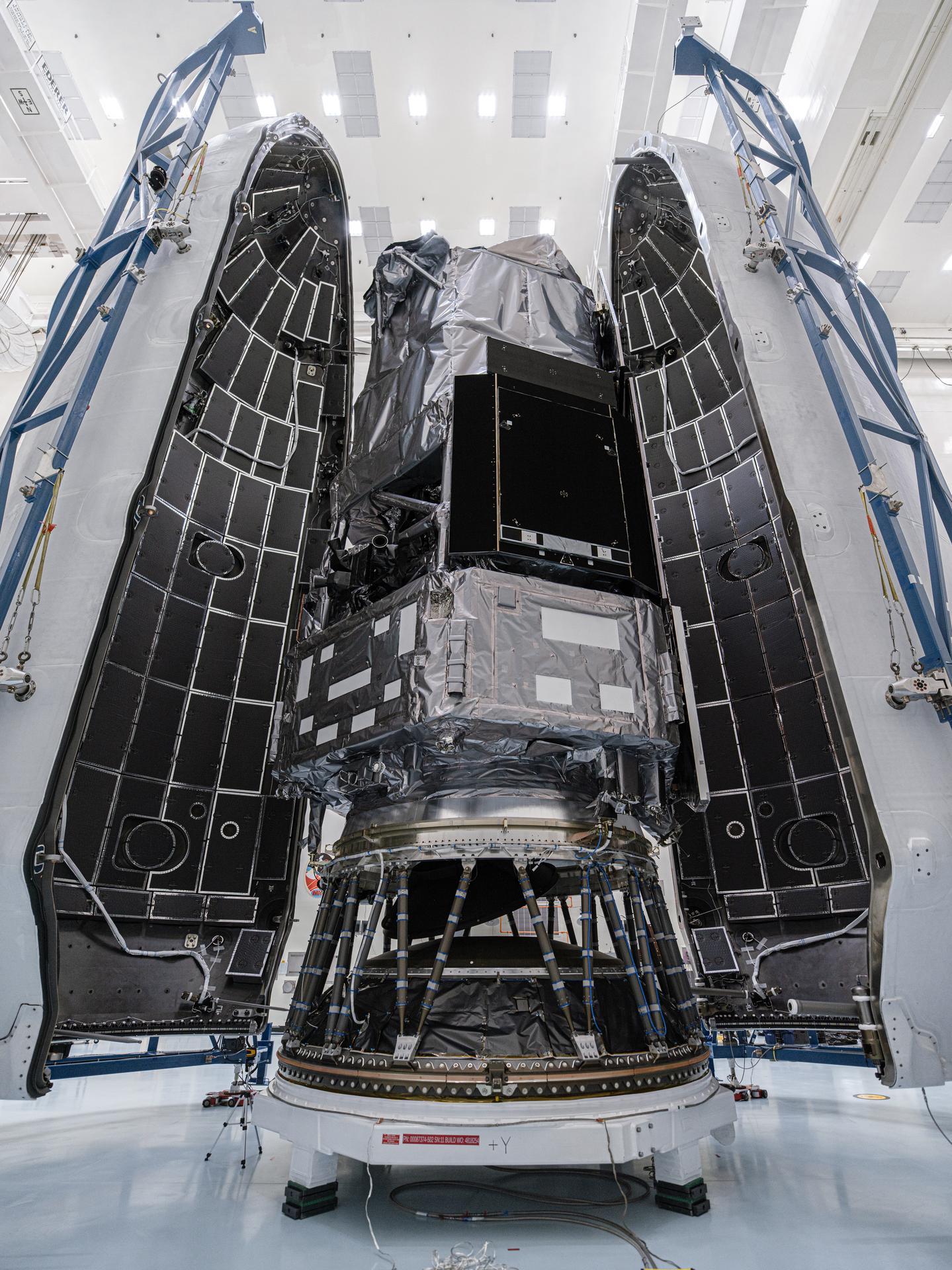
NASA’s Nancy Grace Roman Space Telescope is set to launch at 7:26 a.m. EDT on Sunday, Aug. 30. While you wait to watch the launch, brush up on some key facts about this wide-view mission. To learn more about the Roman mission, visit: https://www.nasa.gov/roman Media contact: Claire AndreoliNASA’s Goddard Space Flight Center, Greenbelt, Md.claire.andreoli@nasa.gov301-286-1940